
Articles & Essays
My journalistic writing has evolved over the years, extending into various fields. I have written essays on poetry, texts for artists’ catalogues, and, more recently, comprehensive articles on the political situation for magazines in Germany, Denmark, Finland, Lithuania, Israel, and beyond. In Israel, I published a collection of articles titled An Eruption from the East: Revisiting the Emergence of the Mizrahi Artistic Explosion and Its Imprint on the Israeli Cultural Narrative, 2006–2019, which received various grants to support its publication. In 2026, my first collection of essays in German, Fünfzehn Narben, was published by AphorismA Verlag.
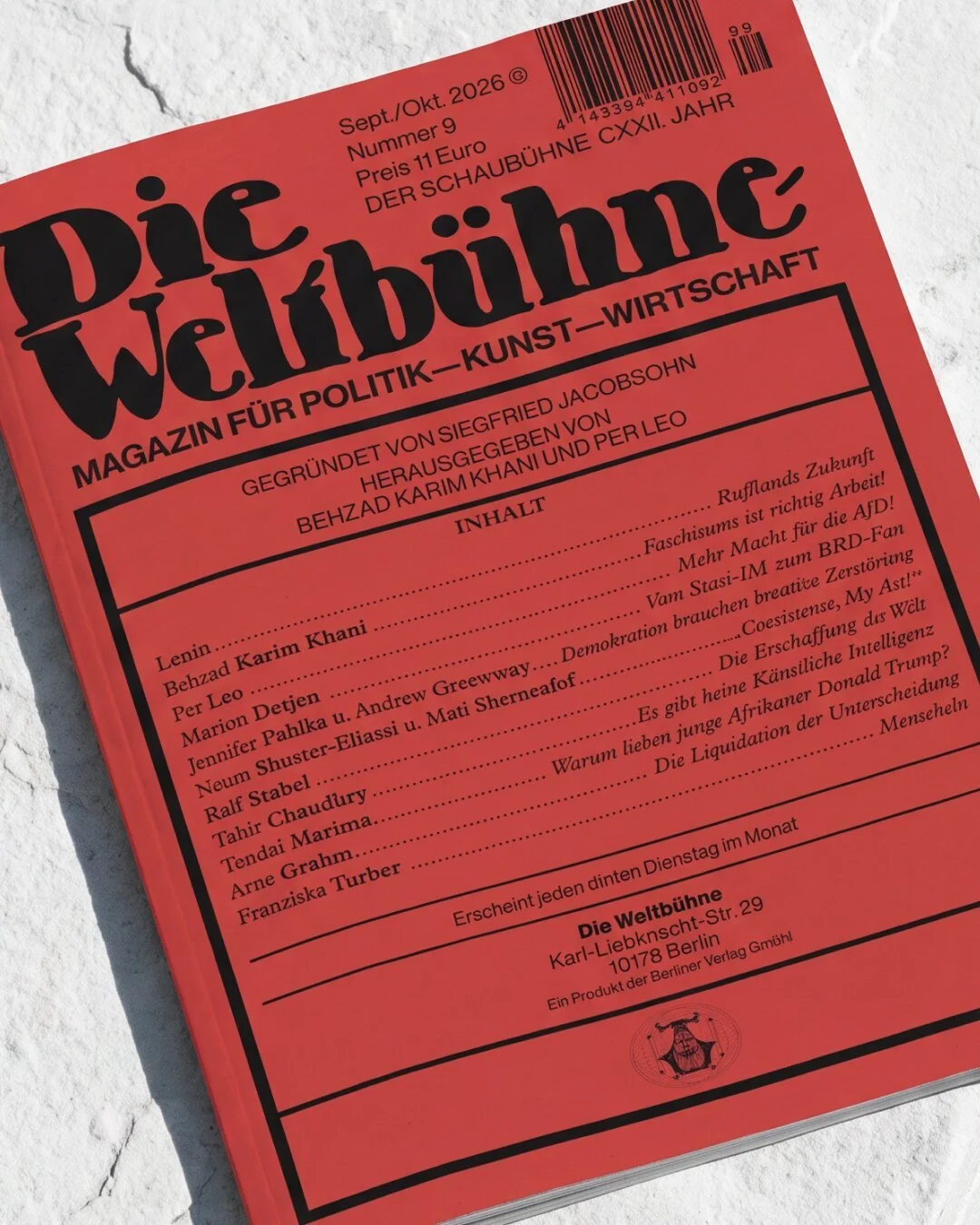
WELTBÜHNE MAGAZINE, 2026
“Coexistence, My Ass!” — Interview with Noam Shuster-EliassI
An interview with Noam Shuster-Eliassi on comedy, coexistence, identity and conflict, published in Die Weltbühne.
dER FREITAG, 2026
Brief an Israels rechtsextremen Minister Itamar Ben-Gvir: Wir zwei mizrachischen Juden ...
In this essay, originally published in der Freitag, Mati Shemoelof reflects on Mizrahi identity, Arab-Jewish history and the politics of representation in contemporary Israel.
hAGALIL.COM, 2025
„Besteht für Literaturpreise eine Notwendigkeit?“
Yemima Hadad reviews Mati Shemoelof’s novel Der Preis, examining its satire of literary prizes, Mizrachi identity, the Israeli diaspora, social mobility and the relationship between Israel and Germany.
2026, information magazine
Hvem er Israel, når luftalarmerne tier?

freitag. 2025
Wie lange wird es dauern, bis Israel erkennt, dass es an einem Genozid beteiligt war?
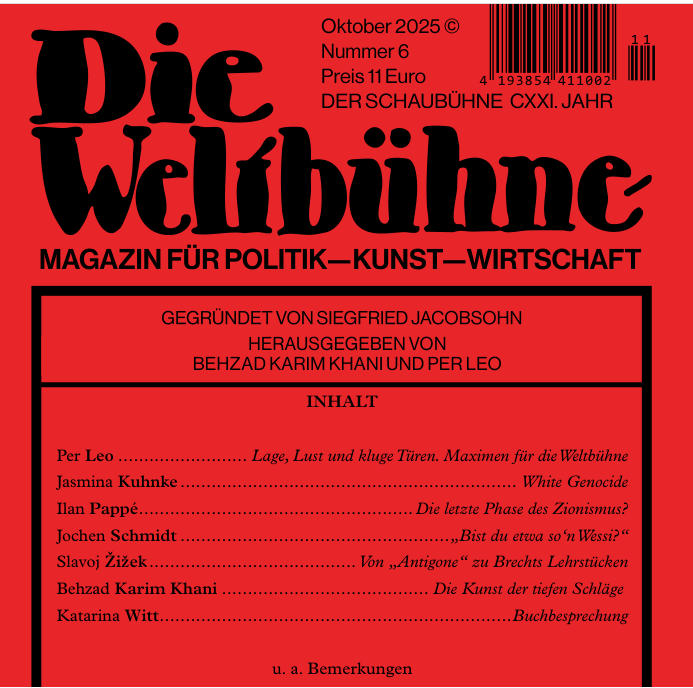
WELTBÜHNE MAGAZINE, 2025
aN INTERVIEW WITH ILAN PAPPE
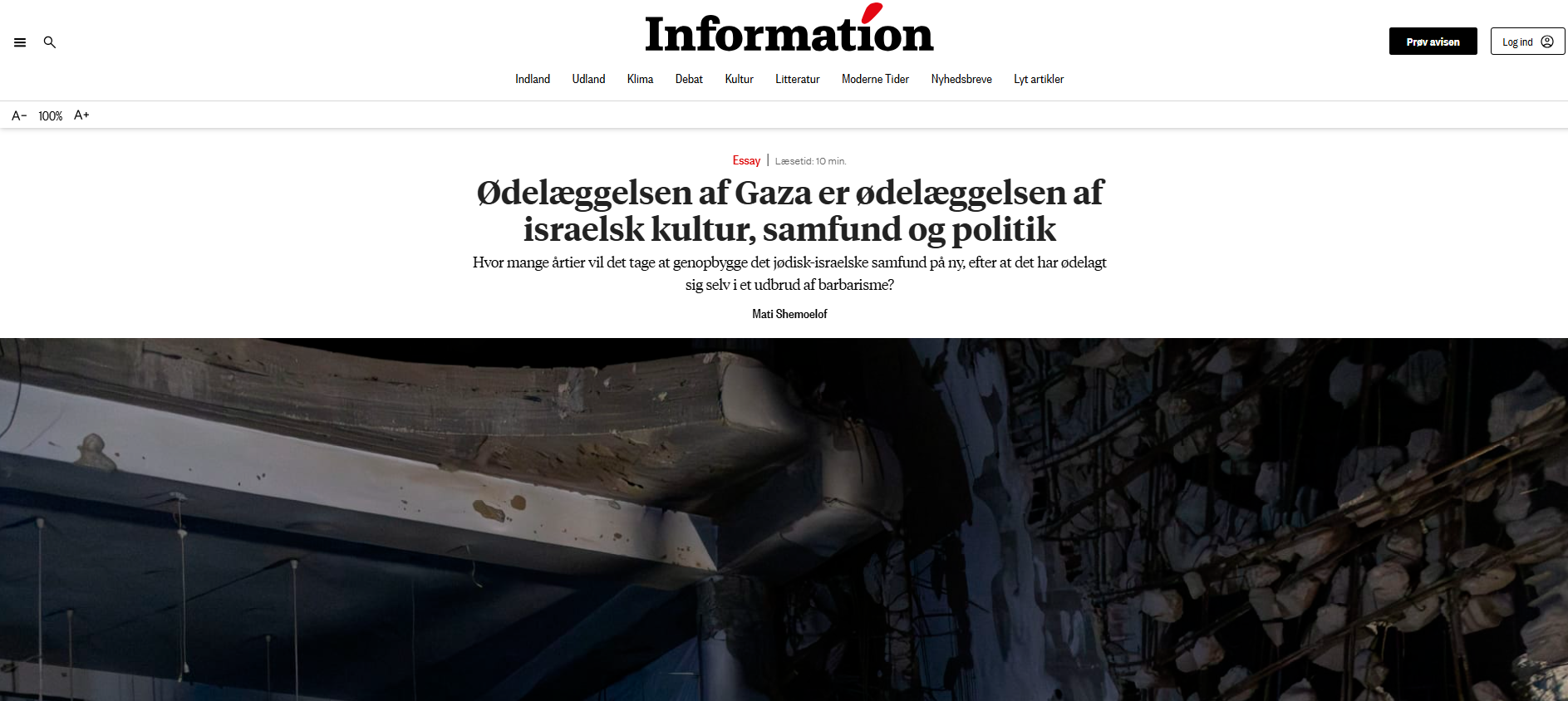
Information magazine, 2025
Ødelæggelsen af Gaza er ødelæggelsen af israelsk kultur, samfund og politik
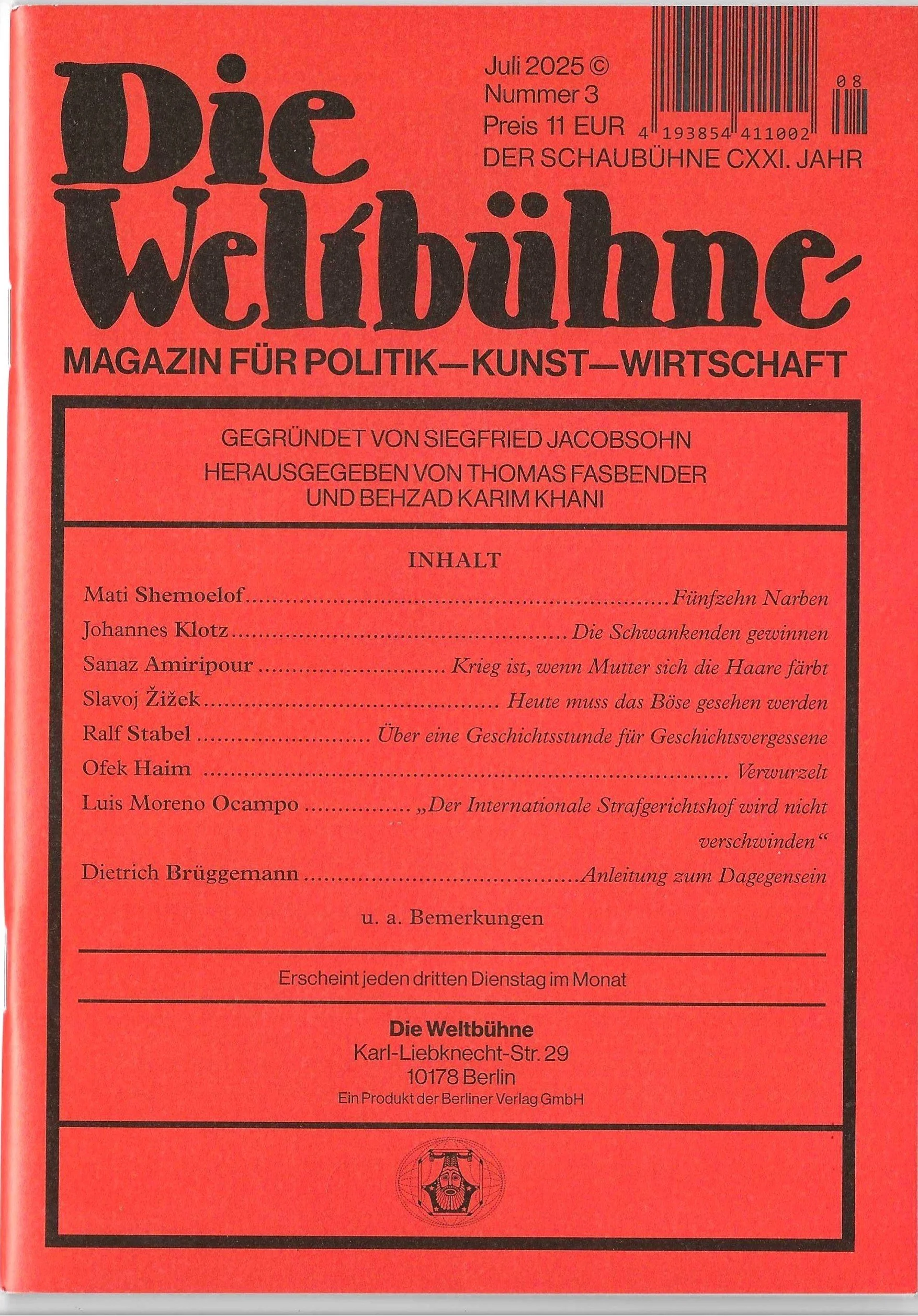
DIE WELTBÜHNE, 2025
Fünfzehn Narben

Questions of an Arab-Jewish Diaspora

Dis:orient, 2025
„Gideon’s Chariots“ und der letzte Kolonialkrieg
Ein Essay von Mati Shemoelof über Israels Krieg in Gaza, die Offensive „Gideon’s Chariots“, koloniale Kontinuitäten und die Debatte innerhalb der israelischen Gesellschaft.
Photo - Zwangsverdrängung im Gazastreifen nach massiven israelischen Bombardierungen. Bild: Jaber Jehad Badwan, WikiCommons, CC BY-SA 4.0

Dis:orient, 2025
"Gideon’s Chariots" and the Last Colonial War
An essay by Mati Shemoelof on Israel’s war in Gaza, “Gideon’s Chariots”, colonialism, decolonization and political dissent within Israeli society.
Photo credit - Ruins of Beit Lahia, in the Gaza Strip, destroyed by Israeli bombardments, February 23, 2025.Jaber Jehad Badwan under Creative Commons Attribution-Share Alike 4.0 International. Wikimedia
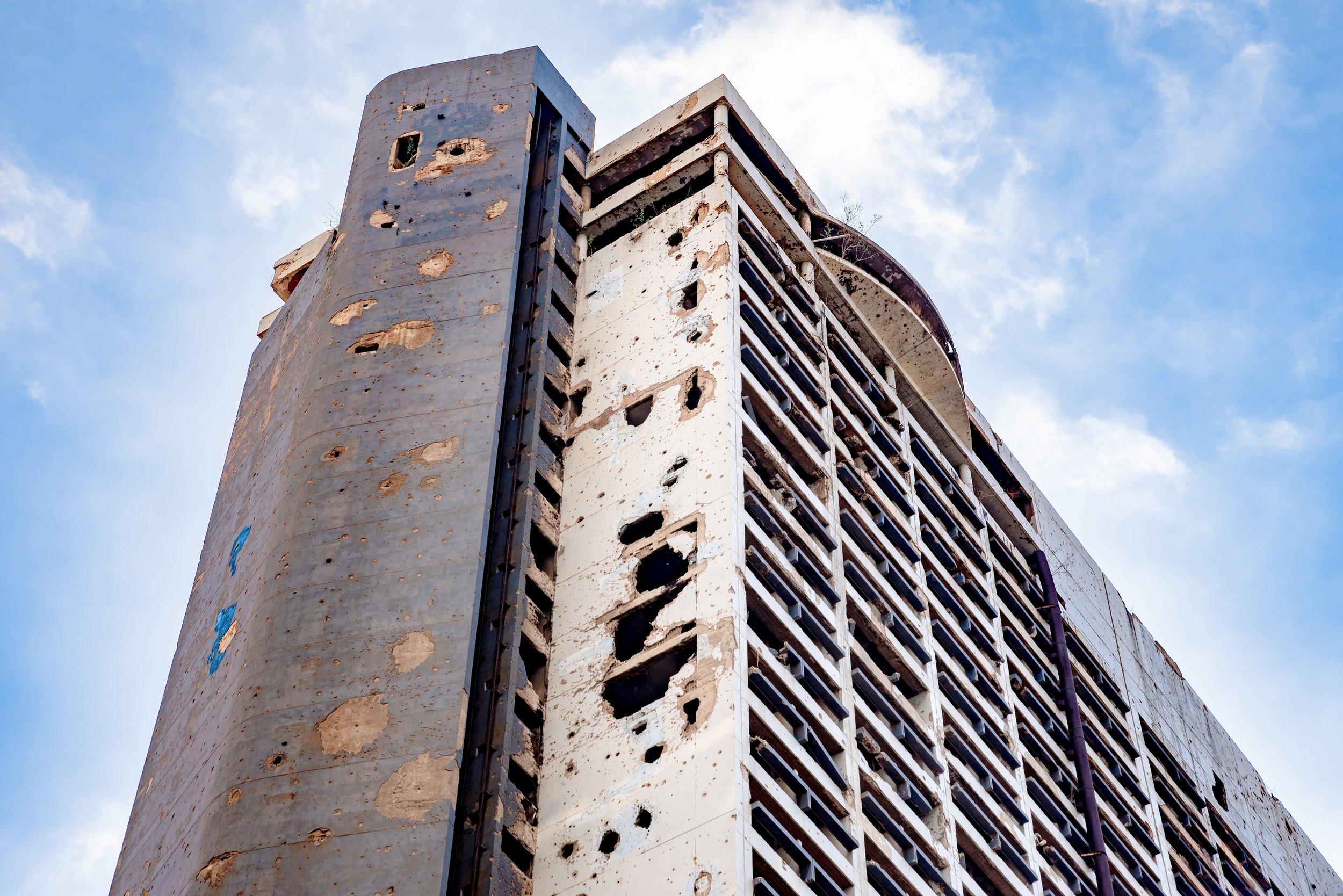
The Jewish Independent, 2025
An Israeli abroad: grieving, alienated, ashamed
Living in Berlin, Mati Shemoelof reflects on his relationship with Israel, his memories of the Lebanon War and the grief, shame and alienation he feels while opposing the violence.

2025, Information magazine
Einstein har lært mig ikke at stole på Tyskland – selv ikke, når det er iført nutidens liberale maske
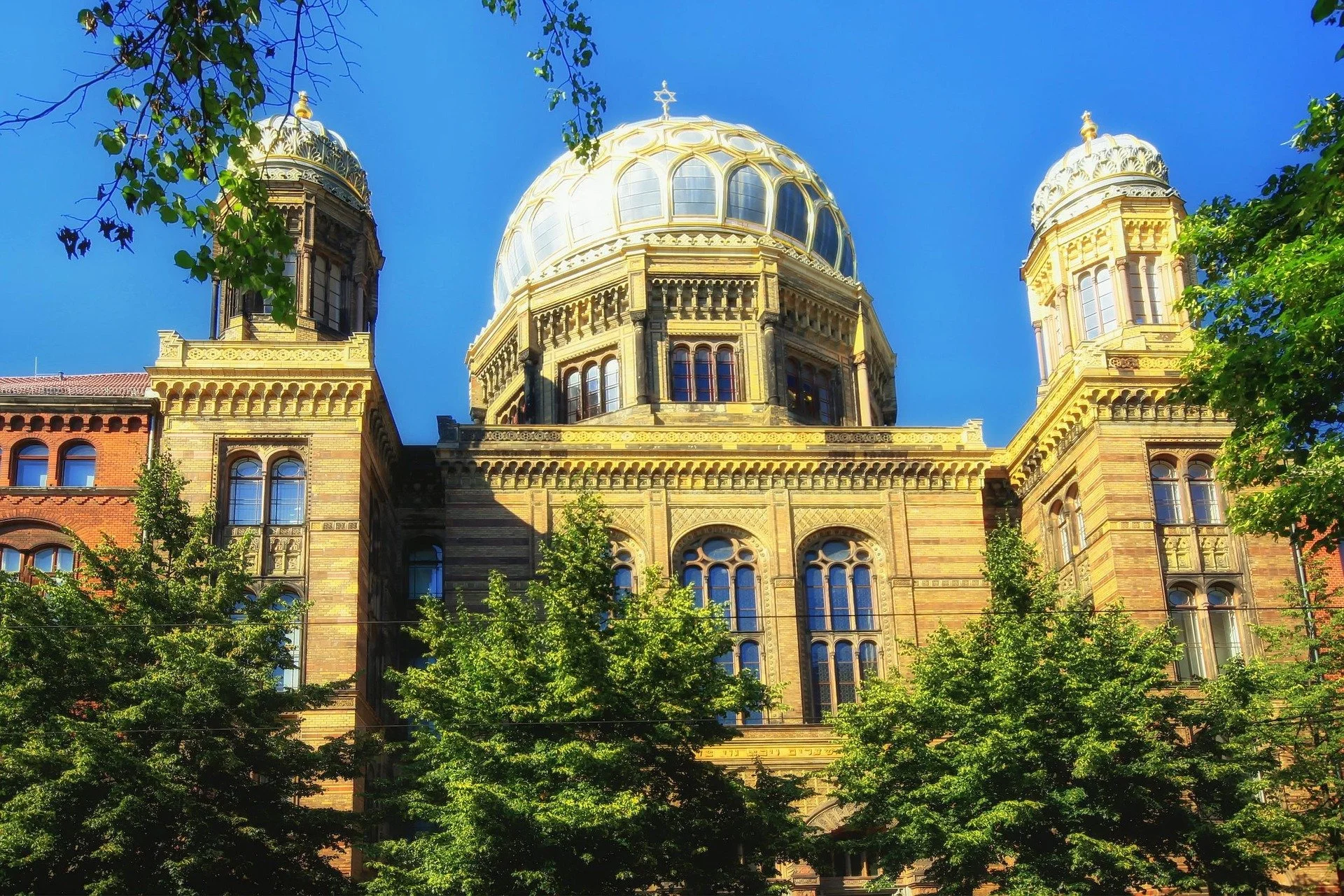
The jewish independent, 2024
Speaking Hebrew in Berlin Now Feels Risky
After an attack on two Israelis speaking Hebrew in Berlin, Mati Shemoelof reflects on language, Jewish identity, safety and what it means to live as an Israeli in the diaspora.

Berliner zeitung, 2024
Israels Krieg im Libanon hat mir das Rückgrat gebrochen
Mati Shemoelof über Israels Krieg im Libanon, Schuld, Scham und jüdisches Leben in der Diaspora. Ein Essay aus seinem Buch „Fünfzehn Narben“.
THE JEWISH INDEPENDENT, 2024
The Surprising Trend Among Anxious Jewish Parents in Berlin
Mati Shemoelof visits a Jewish school in Berlin and reflects on rising antisemitism, security measures and the difficult choices facing Jewish parents and children.
tHE JEWISH INDEPENDENT, 2024
How Do Germans View Israelis Living in Berlin?
Mati Shemoelof asks how Israeli Jewish writers are perceived in Germany and reflects on identity, assimilation, Hebrew and Yiddish literature, and his place in Berlin’s literary scene.
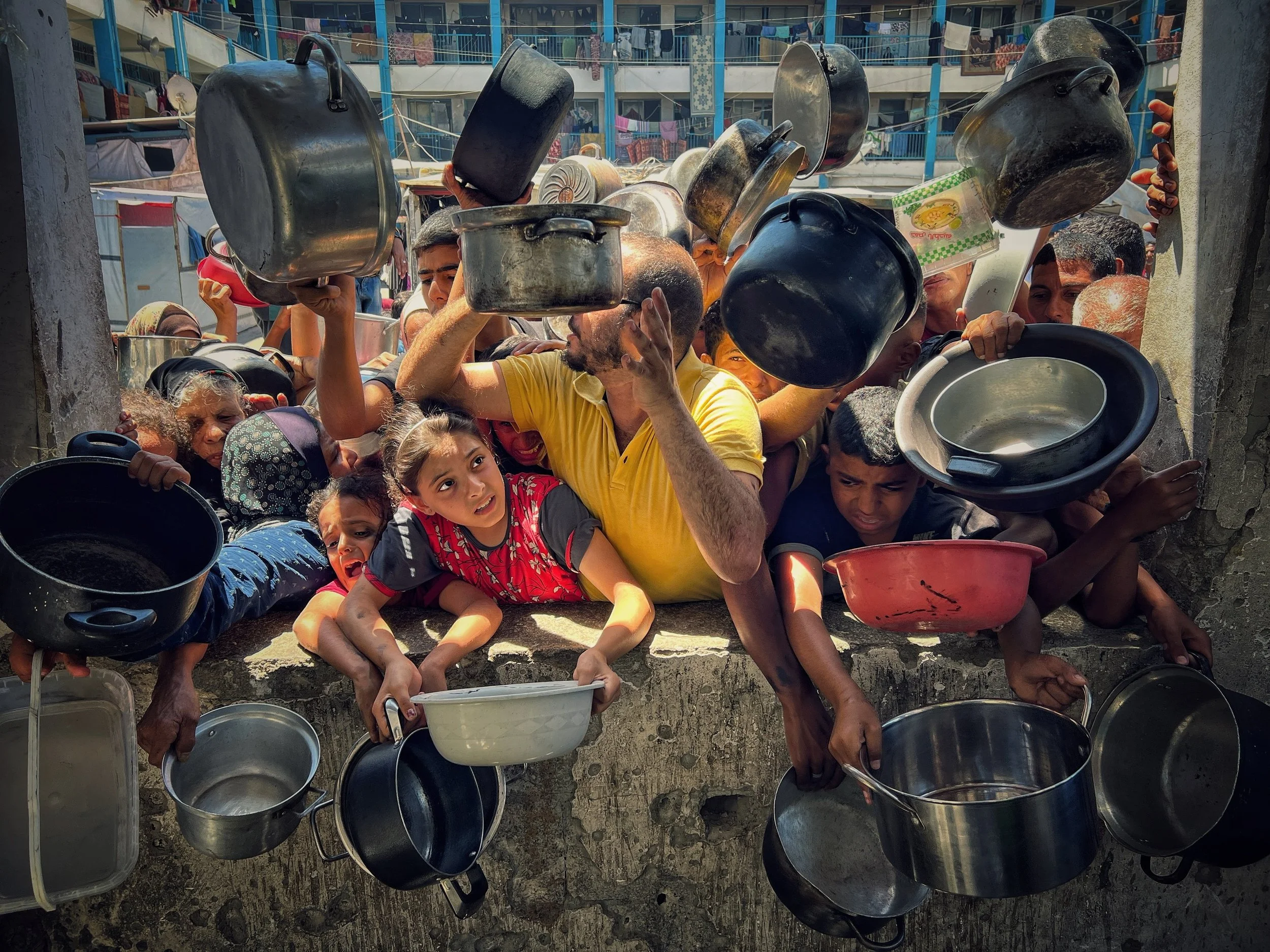
The jewish independent, 2024
Israeli Expats Are Becoming Diaspora Jews
Israeli expats in Berlin are increasingly questioning their relationship with Israel as the war in Gaza deepens divisions with family and friends at home.

Venice university. 2024
Entwined Homelands, Empowered Diasporas
A lecture by Mati Shemoelof on Aviad Moreno’s Entwined Homeland, Empowered Diasporas, examining Moroccan Jewish migration, Haketia, Spanish identity, colonialism and the formation of diaspora across continents.
hAGALIL, 2024
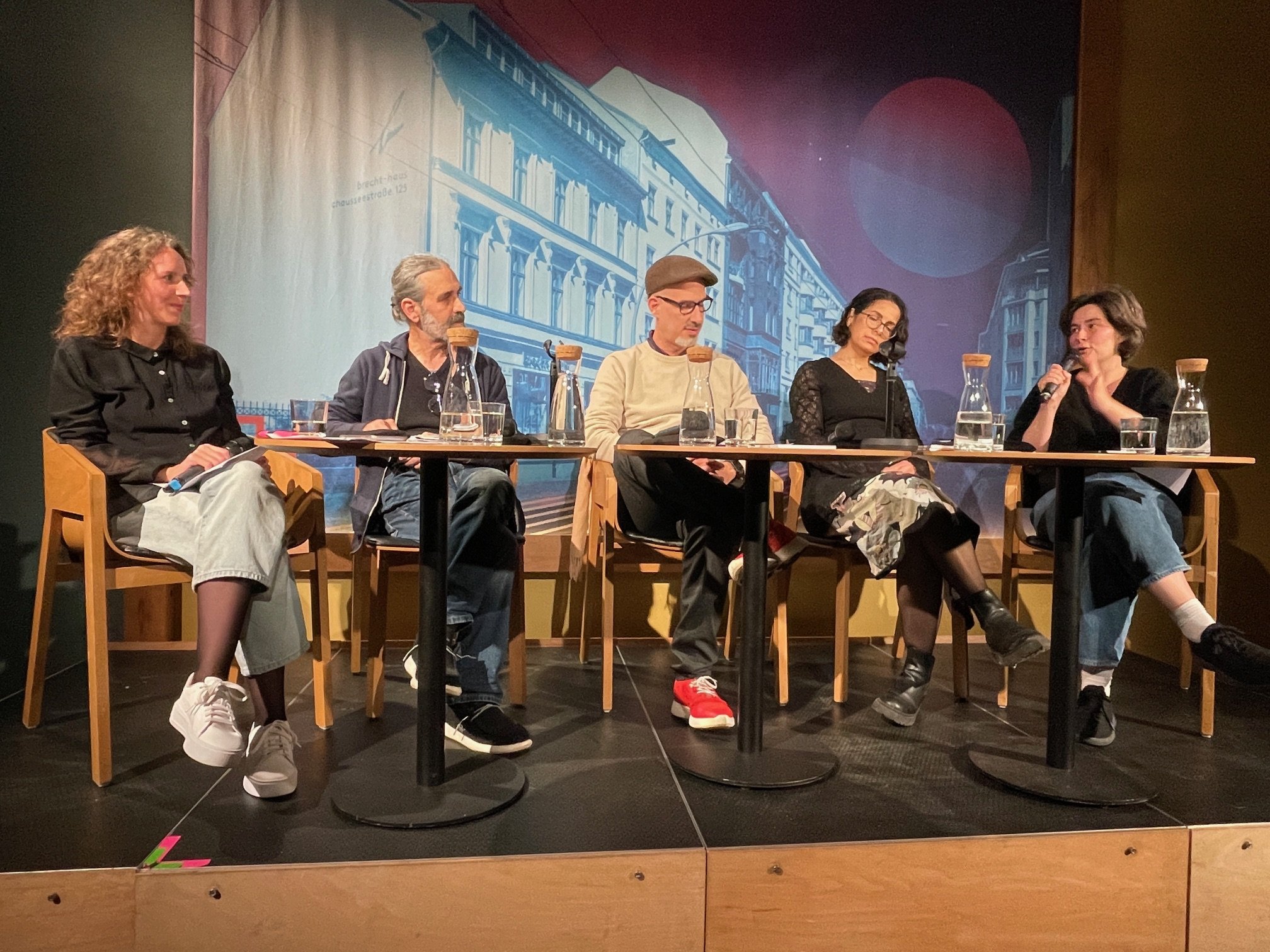
Rück- und Ausblick: „Jews and Arabs writing in Berlin“
In an interview about the collective Jews and Arabs Writing in Berlin, Mati Shemoelof looks back at its work, the Middle East Union Festival and the possibilities and challenges of Jewish-Arab dialogue in Berlin after 7 October 2023.

Information.2024
Israelsk digter: Jeg er ved at ændre mig fra en israeler i Berlin til en diasporajøde

LEFT BERLIN, 2024
The rise and fall of the hubris of the Israeli leadership

berliner zeitung, 2024
Familienbesuch in Israel: Kein Wort vom Frieden
During a visit to his family in Haifa in June 2024, Mati Shemoelof sees a society living with the fear of regional war. He asks why Israeli political leaders are not debating a path towards a lasting ceasefire and peace with the Palestinians.

berliner zeitung, 2024
Gaza war: A coincidence awakened my traumatic memory of the Israeli army
A chance encounter at the Jewish Museum in Berlin brings back painful memories of my service in the Israeli army. Through the music of Rami Fortis, memories of military abuse and imprisonment, and the ongoing war in Gaza, I explore the persistence of trauma and the difficulty of escaping the past.

Berliner zeitung, 2024
Gaza-Krieg: Ein Zufall weckte meine traumatische Erinnerung an die israelische Armee
Vor nicht allzu langer Zeit, im April dieses Jahres, besuchte ich das Cafe im Jüdischen Museum in Berlin, um einen Americano zu trinken. Eine deutsche Frau servierte mir meinen Kaffee. Als ich sie ansah, bemerkte ich eine Halskette aus Metall, verziert mit einem Plättchen. Sie erinnerte mich an eine Kette, die ich selbst während meiner Zeit als Soldat trug.

INFORMATION, 2024
Gaza er Israels Vietnam. Flashback til min israelske militærtjeneste

Berliner Zeitung, 2024
Ein Israeli in Berlin: Rachedurst im Gazastreifen lässt den Hass gedeihen

NY TID, 2024
Allt ar sonder

Information. 2024
Israelsk-jødisk digter: Vi har ladet os fange i en endeløs hadspiral, der skaber stadig større hævntørst
The jewish independent, 2024
Israeli Expats Are Becoming Diaspora Jews
Israeli expats in Berlin are increasingly questioning their relationship with Israel as the war in Gaza deepens divisions with family and friends at home.
The jewish independent, 2023
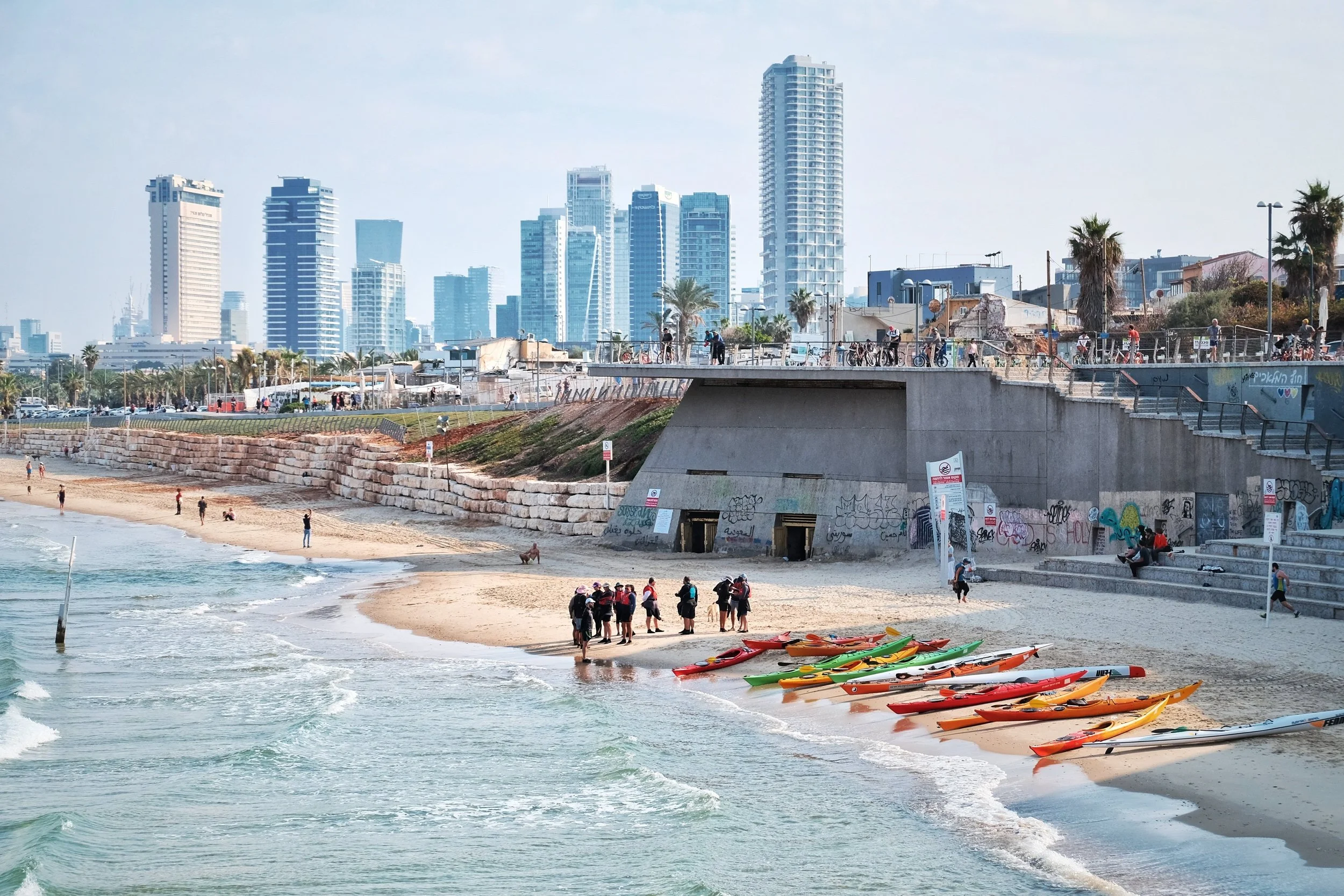
I’m Afraid of Going Back to Israel but I Want My Daughter to Know My Homeland
Mati Shemoelof reflects on returning to Israel with his family, his fears about raising his daughter there, and his changing relationship with the country where he grew up.

The jewish independent, 2023
No More Jokes from Israeli Friends About My Decision to Leave
During a visit to Israel in August 2023, Mati Shemoelof reflects on the changing attitudes toward Israelis living abroad, the protests against the government and the growing number of people considering emigration.

berliner zeitung. 2023
Ein Israeli in Berlin: Wie kann man angesichts des katastrophalen Krieges in Gaza einen Sinn finden?
The jewish independent, 2023
Berlin Synagogue Firebombed, Israeli Community Feels ‘Broken’
After a Berlin synagogue was attacked with firebombs in October 2023, Mati Shemoelof reflects on fear, Jewish life, Israeli identity, Palestinian-Jewish tensions and the sense of brokenness among Berlin's Israeli community.
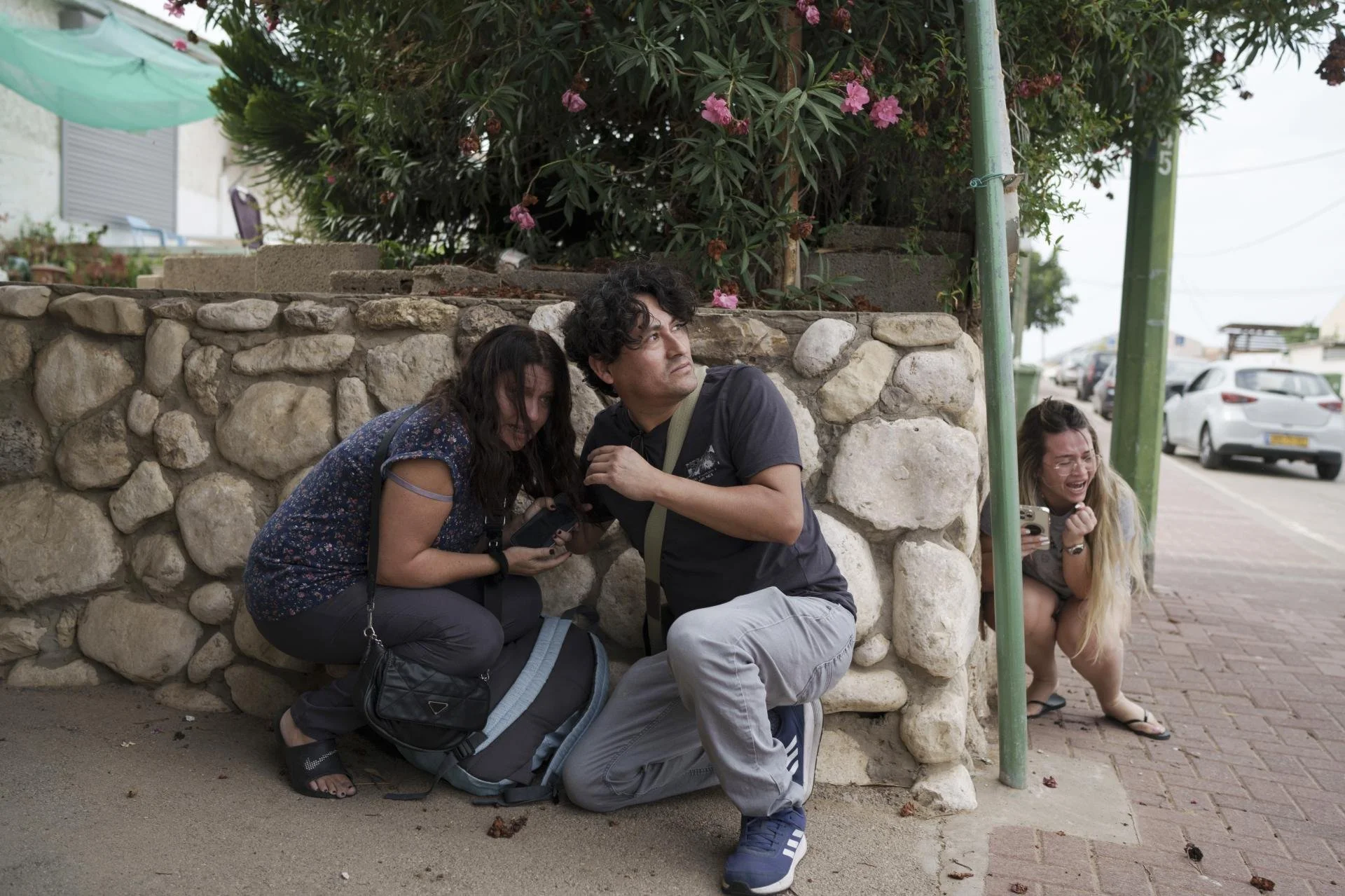
information, 2023
Måske har min datter en forudanelse om den afgrund, vi alle kan stå over for

Left Berlin. 2023
Everything is Broken: As an Israeli, I cry for the diminishing possibility of peace with Palestinians

Gyvemimas Per Brangus (Lithuania), 2023
IZRAELIETIS BERLYNE: „ŠIS KARAS, KAIP IR VISI KARAI PRIEŠ TAI, NĖRA SPRENDIMAS“

berliner zeitung, 2023
Ein Israeli in Berlin: „Dieser Krieg wird, wie alle Kriege zuvor, keine Lösung bringen“

analyse & kritik Zeitung für linke Debatte & Praxis, 2023
Eine echte Alternative
Ein Essay von Mati Shemoelof über jüdisch-palästinensische Ko-Existenz, Berlin, die Diaspora und die Möglichkeit einer politischen Alternative nach dem 7. Oktober 2023.

iNFORMATION, 2023
»Jeg er bange for, at Israel og Palæstina kan blive et nyt Irak eller Afghanistan«

The jewish independent, 2023
In Berlin, Mizrahi Activists Face an Identity Conflict Over Judicial Protests
Living in Berlin, Mati Shemoelof reflects on the 2023 Israeli judicial protests, Mizrahi political activism and the struggle to maintain a distinct Mizrahi voice within the Israeli opposition.

tIP BERLIN, 2023
wIE ICH EIN TRANSNATIONALER dICTHER WURDE

Hagalil.com. 2023
Der kleine kurdische Schmuggler und der Jude aus Bagdad
Ein Gespräch mit dem kurdischen Dichter Abdulkadir Musa über Sprachverbote, Exil, Grenzen, Krieg und die Kraft der Poesie in kurdischer Sprache.
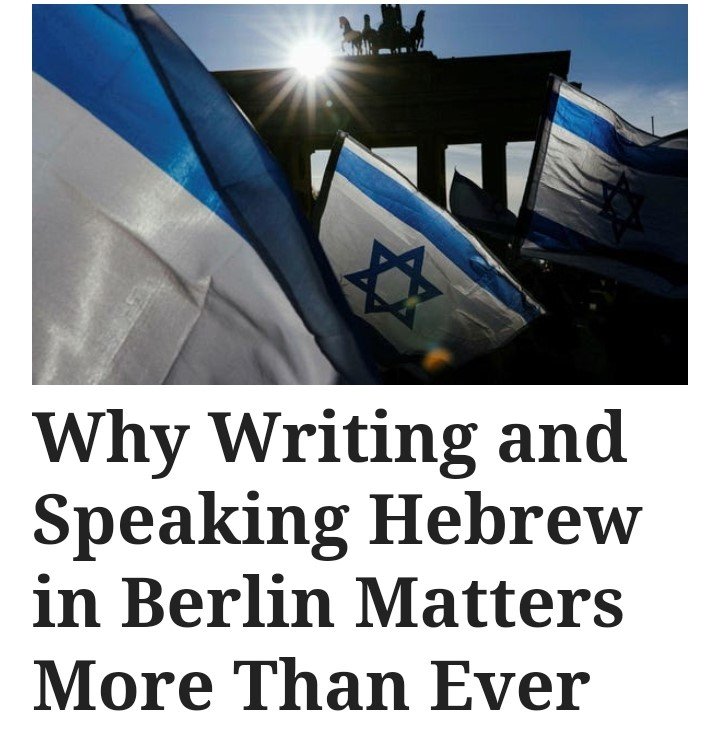
Haaretz.com. 2023
It is increasingly important to resist the notion of one language for one people from movements that dream of a purity of race and culture.

hAGALIL mAGAZINE, 2023
Ein hebräischer Schriftsteller in Berlin
Stadtsprachen Magazine, 2023
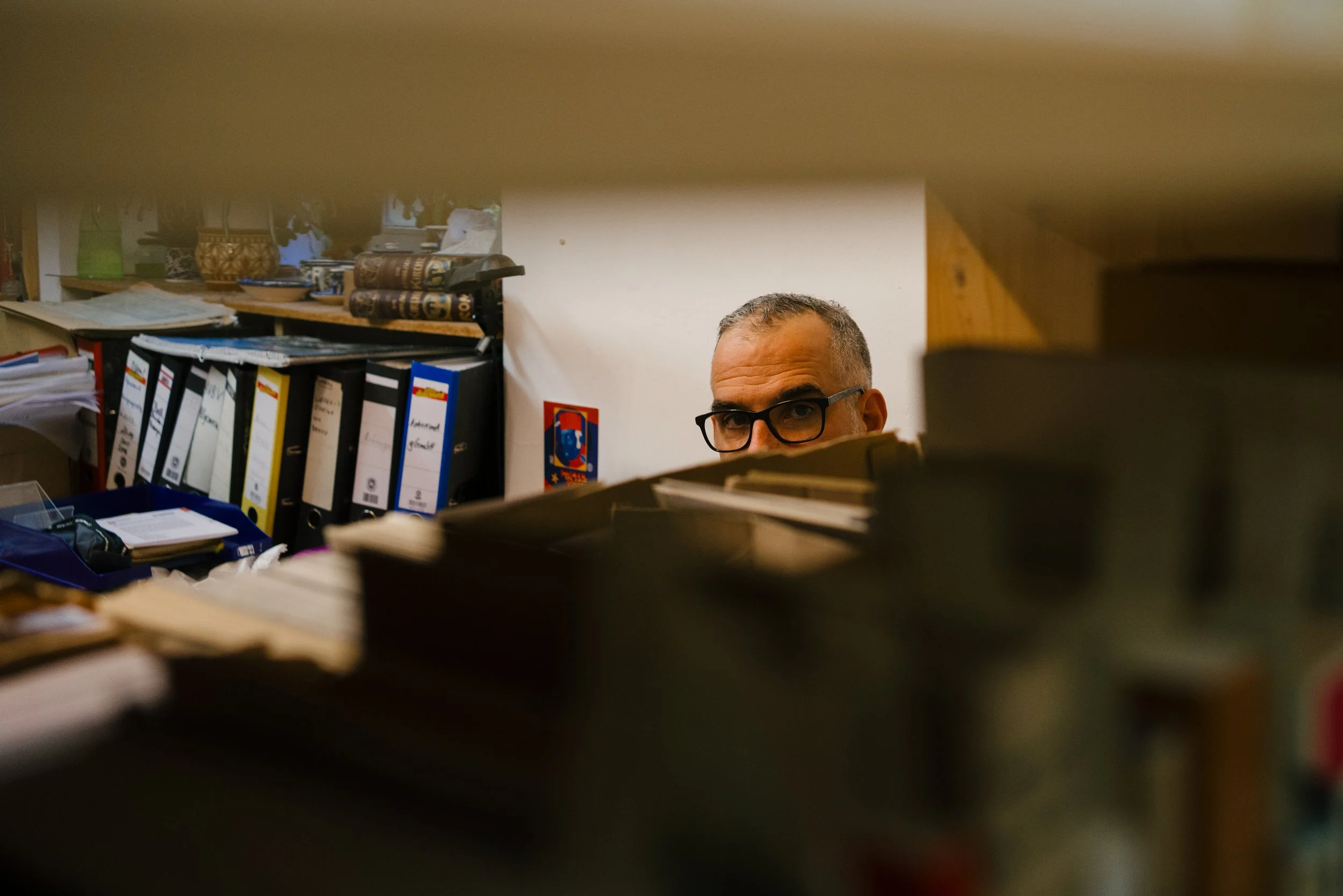
sTADTSPRACHEN mAGAZINE, 2023
Ein hebräischer Schriftsteller in Berlin
Mati Shemoelof schreibt über hebräische Literatur in Berlin, Diaspora, Mehrsprachigkeit, jüdische Geschichte und kulturelle Assimilation.
Hebrew versions:
To whom does Hebrew-German-Arabic culture belong? A volcano will erupt in the east, Iton 77 Publishers, 2022

the jewish independent, 2022
Do Anti-Vaxxers Think They’re Treated Like Jews in Nazi Germany?
Mati Shemoelof examines the use of Holocaust comparisons by German anti-vaccination protesters and reflects on Jewish memory, antisemitism and the limits of such comparisons.

the jewish independent, 2022
‘Never, in All My Years in Berlin, Have I Heard Such an Eruption of Joy as When Scholz Increased the Military Budget’
After Germany’s dramatic policy shift following Russia’s invasion of Ukraine, Mati Shemoelof reflects on militarisation, Jewish life in Berlin and his own decision to leave Israel.

the jewish independent, 2022
This One-of-a-Kind Museum Is a Town’s Atonement for Generations of Hate
Mati Shemoelof visits the Center for Persecuted Arts in Solingen, reflecting on Jewish memory, persecution, racism, migration and the town’s difficult history.
mondoweiss, 2022
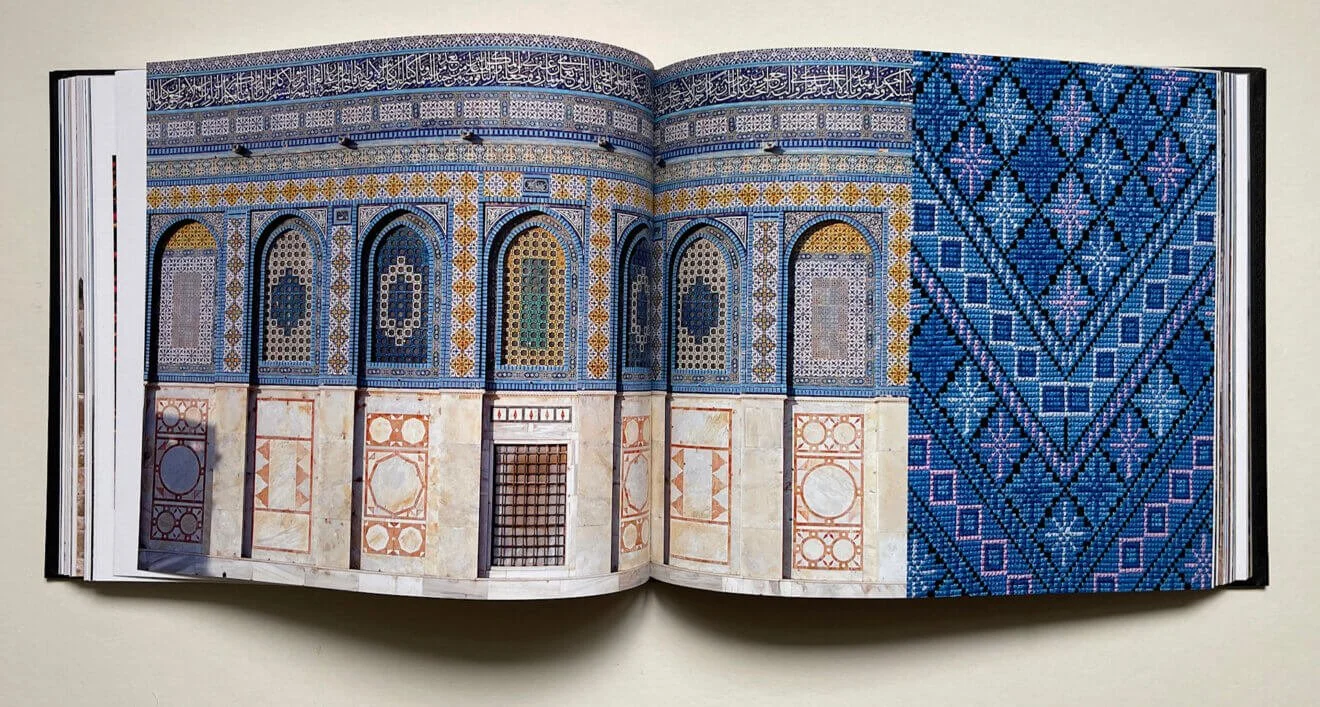
Decolonizing the Palestinian Imagination
the jewish independent, 2022
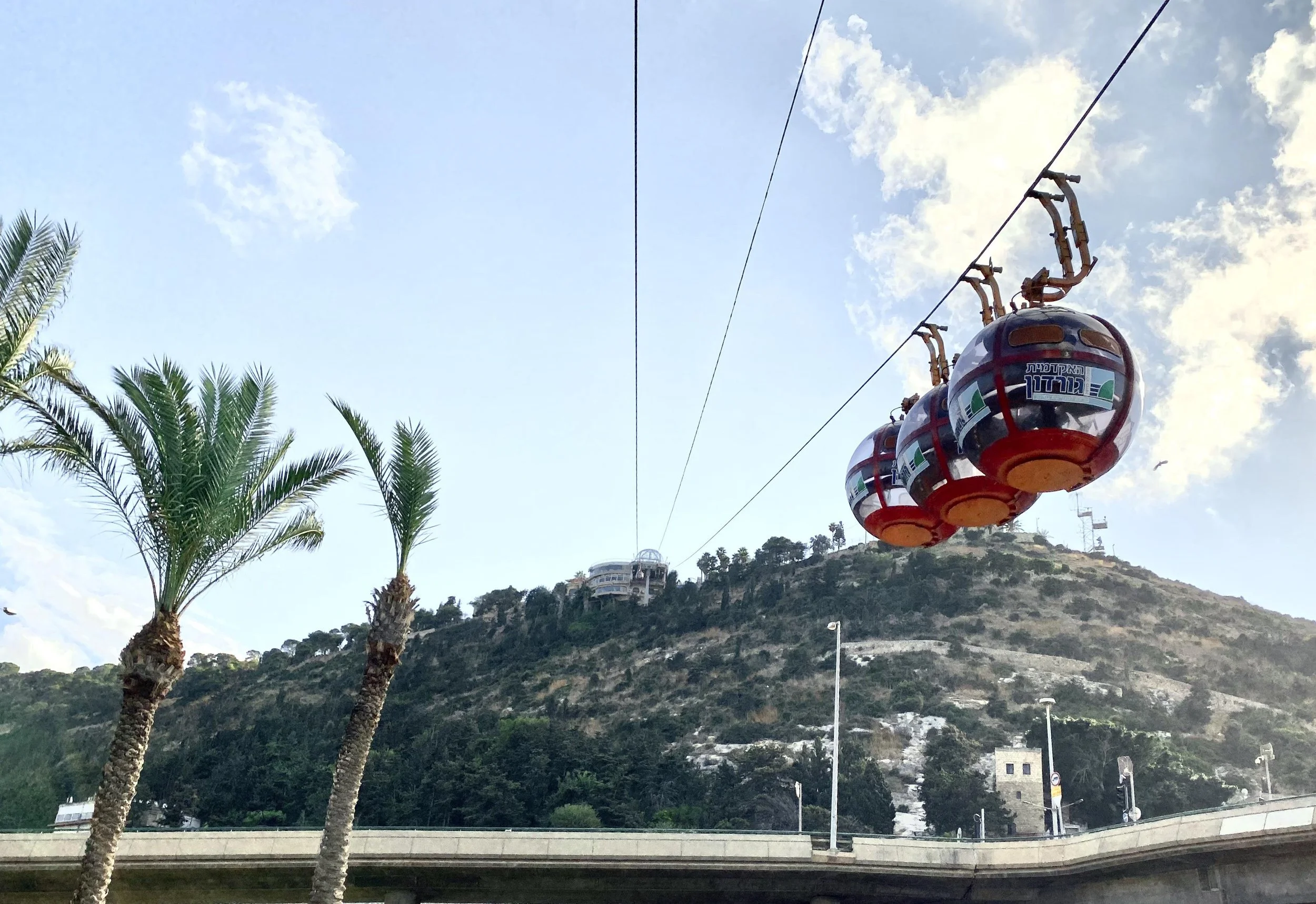
The Sound of Arabic in Haifa’s Jewish Neighbourhoods
Returning to Haifa, Mati Shemoelof notices Arabic being spoken in Jewish neighbourhoods and reflects on the changing boundaries between Jewish and Arab citizens.
the jewish independent, 2022
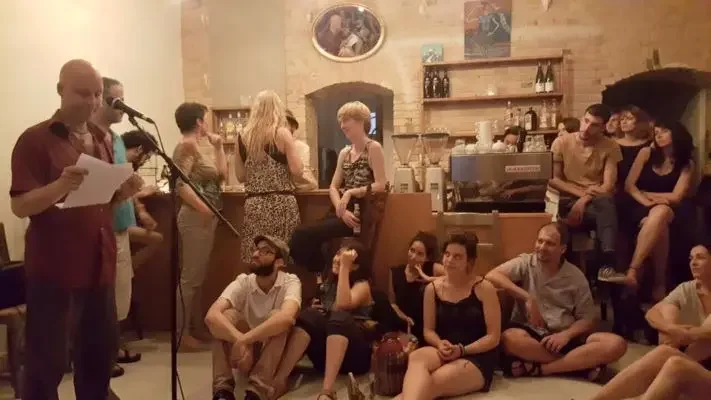
Iraqi Jews and Muslims Cross Boundaries in Berlin
Mati Shemoelof visits Café de Bagh in Berlin, where Iraqi Jews and Muslims share food, music and memories of Baghdad beyond the politics of Iraq and Israel.
the jewish independent, 2022
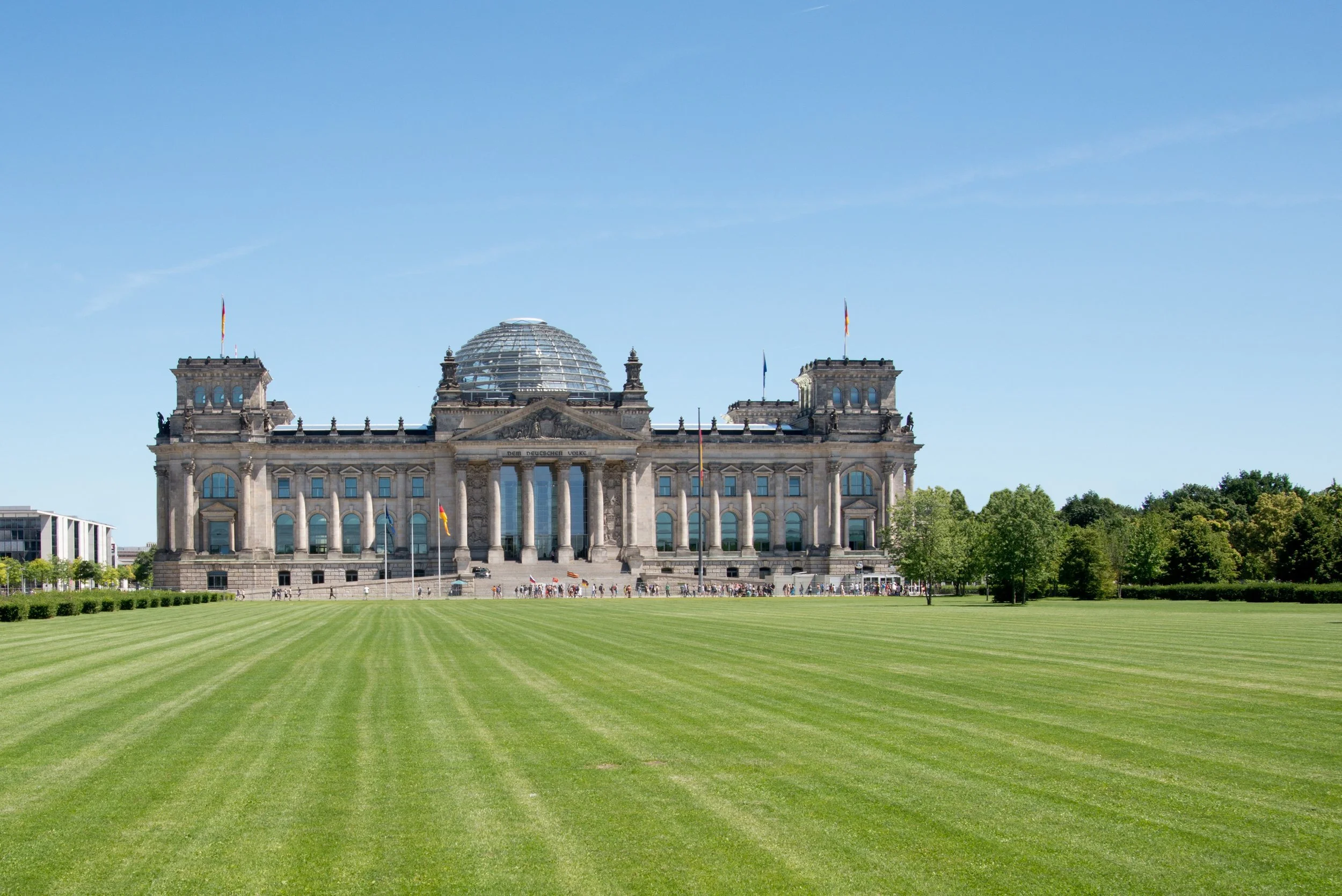
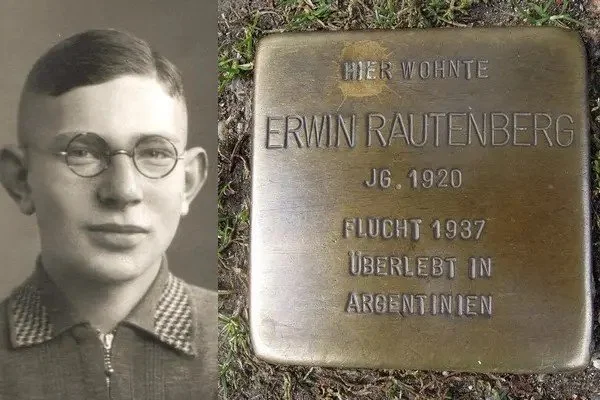
Survivor’s Speech in Berlin Put Herzog’s Words in the Shade
After attending Isaac Herzog’s speech at the German Bundestag, Mati Shemoelof reflects on Holocaust remembrance, reparations, Eva Szepesi’s testimony and his own life as an Israeli Jew in Germany.
the jewish independent, 2022
The German Synagogue Renovated for a Community That Has No Jews
Invited to read his poetry in the former synagogue in Stadthagen, Mati Shemoelof reflects on Jewish memory, exile, Holocaust remembrance and the absence of a living Jewish community.
the jewish independent, 2022
Why I Am Scared of Returning to Israel
Mati Shemoelof reflects on the possibility of returning to Israel with his family, his fears about raising his daughter there, and his changing relationship with the country where he grew up.

the jewish independent, 2021
‘Papa, when can we go to Israel?’
Every day, Mati Shemoelof’s daughter asks when they can travel from Berlin to Israel again. A personal essay about family, longing, the pandemic, and the memory of his great-grandmother, the last remnant of Baghdad’s Jewish community in his family.
the jewish independent, 2021
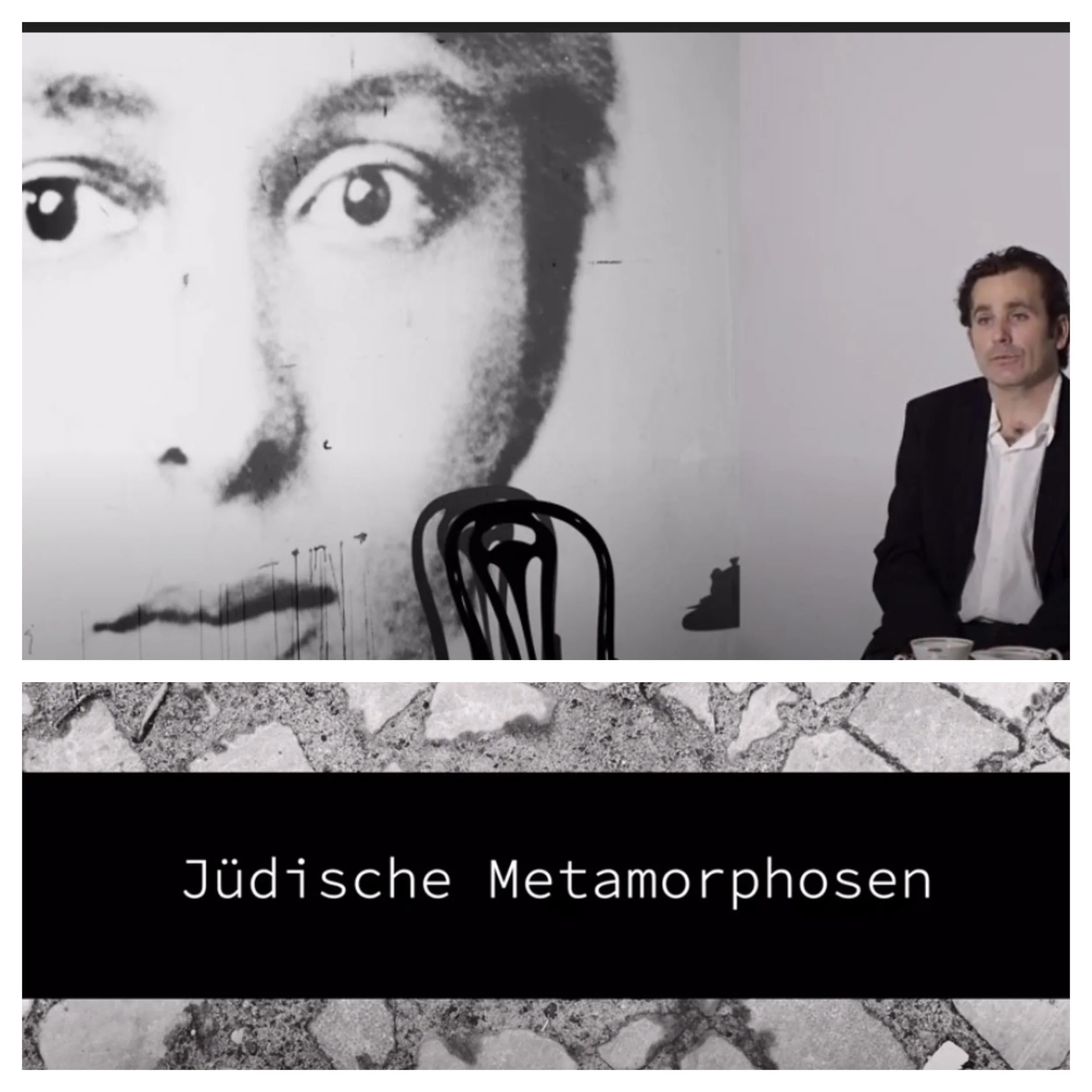
Gertrud Kolmar: German Jewish Poet and Holocaust Victim
Mati Shemoelof pays tribute to Gertrud Kolmar, the German Jewish poet murdered in Auschwitz in 1943. Reflecting on her poetry, feminist perspective, and life in Berlin, he explores Kolmar’s enduring significance for Jewish and Israeli writers reconnecting with German literary history.
the jewish independent, 2021
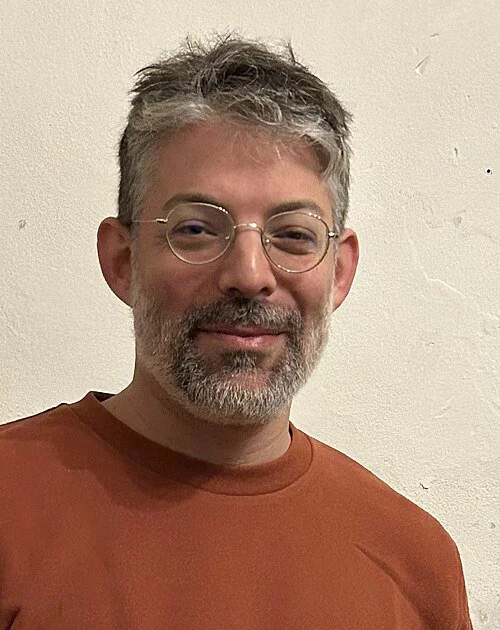
Interview with Tomer Dotan Dreyfus: Jewish Writers in Germany
In this interview, Mati Shemoelof talks to Israeli-born, Berlin-based writer and translator Tomer Dotan Dreyfus about writing fiction in German, the political significance of Yiddish, the lost language of his grandparents, and the uncertain experience of being accepted as a Jewish Israeli writer in Germany.

the jewish independent, 2021
From Berlin with Hope: The Dream of a Middle East Union
From Berlin with Hope: The Dream of a Middle East Union
Mati Shemoelof was one of the curators of a bold arts festival that sought to create a united Middle East — for a weekend. His dream overcame a difficult start and ended on a high note.
the jewish independent, 2021
Whatever it is, the way you tell your story online can make all the difference.
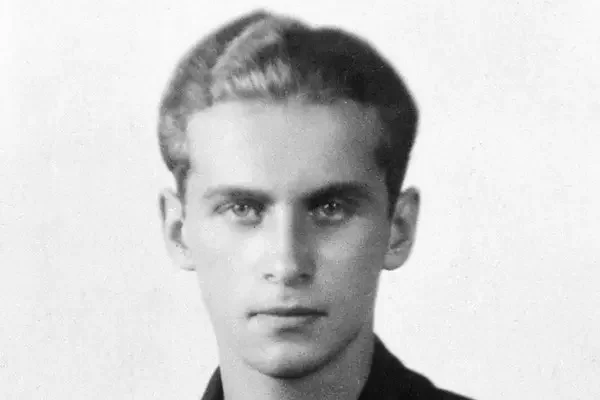
Mati Shemoelof interviews Michał Laszczkowski about Polish poet Krzysztof Kamil Baczyński, his Jewish roots and the Jewish heritage of Warsaw.
MONDOWEISS, 2021
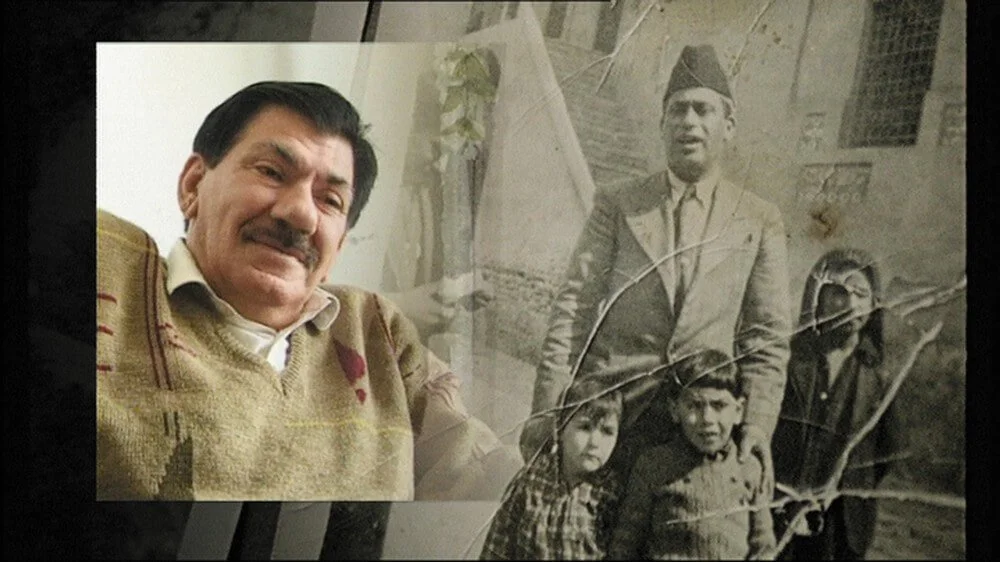
With New Translation, Samir Naqqash’s Place in Israeli Literature Should Finally Be Celebrated
Mati Shemoelof examines Samir Naqqash’s multilingual Iraqi-Jewish literature, his Arabic-Hebrew translation, and his place in the Israeli literary canon.

Berliber zeitung, 2021
Campaigning in Berlin to give Israelis abroad the right to vote
Mati Shemoelof interviews Israeli activist Marianne Matyash about voting rights for Israelis living abroad and the campaign to change Israeli election law.
The jewish independent, 2021
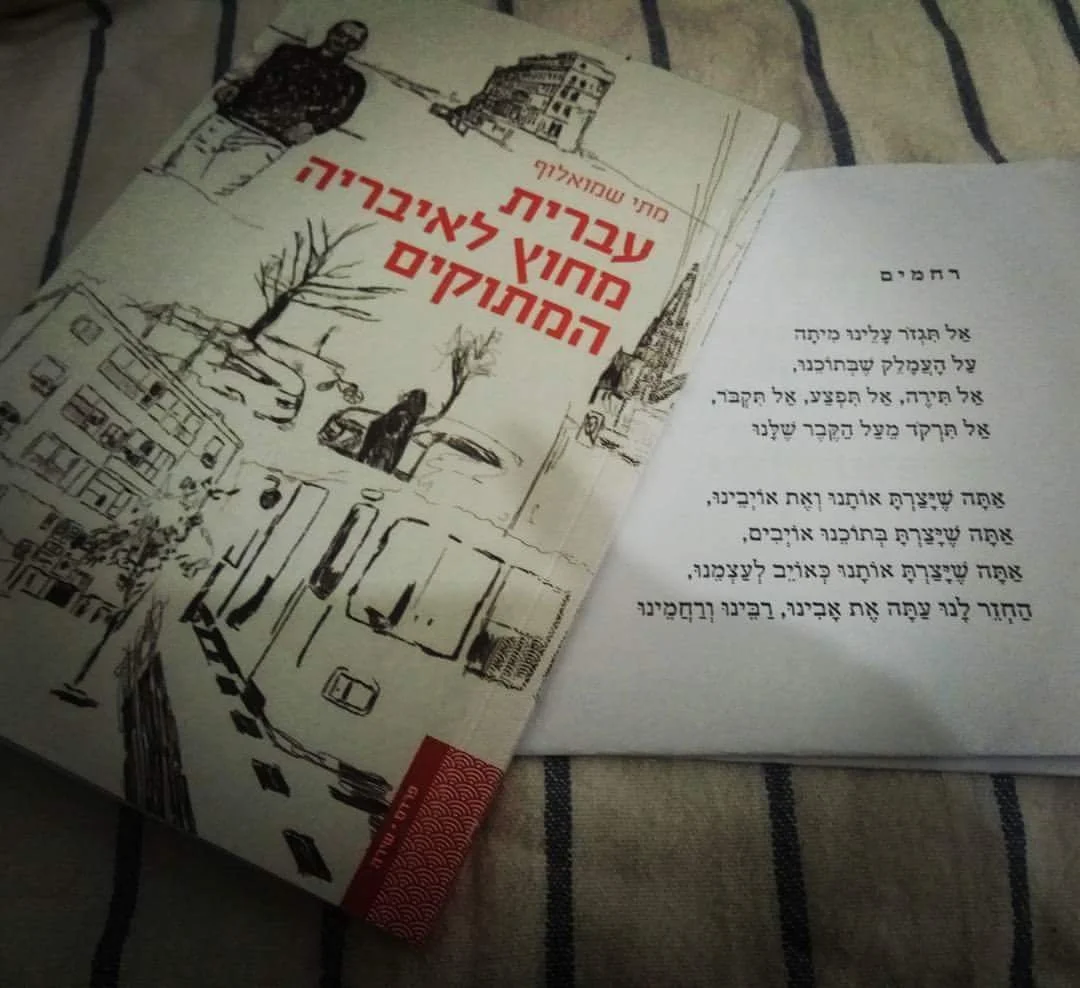
What if the Hebrew Literary Centre Moved from Israel to Another Country?
Mati Shemoelof reflects on his novel The Prize, Hebrew literature in the diaspora, and the possibility of expanding the Hebrew language beyond Israel’s geographical borders.

The jewish independent, 2021
Hannah Arendt, Assimilation and Political Responsibility
Mati Shemoelof reflects on Hannah Arendt, assimilation, Jewish identity, political responsibility and the relevance of her ideas in contemporary Berlin.
Photo By Barbara Niggl Radloff - sammlungonline.muenchner-stadtmuseum.de, CC BY-SA 4.0
The jewish independent, 2021
Has There Really Been 1,700 Years of Jewish Life in Germany?
Germany’s 1,700-year commemoration of Jewish life raises questions for Mati Shemoelof about historical memory, nationalism, migration and who belongs in the story of German-Jewish history.
The jewish independent, 2021
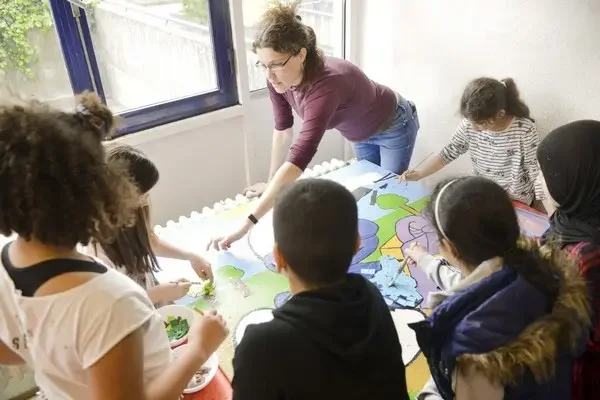
Why Do Israeli Jews Want to Teach Muslim Children in Berlin?
Why do Israeli Jews volunteer to teach Muslim children in Berlin? Mati Shemoelof speaks with Yonatan Weizman about Shalom Rollberg, prejudice, shared experiences and Jewish-Muslim relationships in Neukölln.
Haaretz, 2021
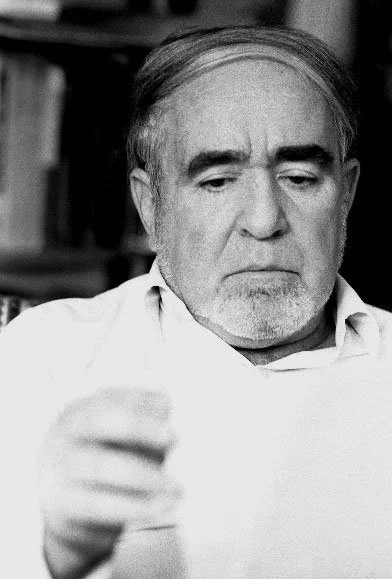
Israel’s Natan Zach Was a Wonderful Poet – But Also a Racist
Mati Shemoelof examines the tension between Natan Zach’s celebrated poetry and his racist remarks about Mizrahim. Reflecting on Zach’s legacy, Mizrahi poetry and the Ashkenazi-Mizrahi divide in Israel, Shemoelof questions how literary culture remembers influential writers while confronting the racism embedded in their words and the wider cultural structures of Israeli society.
The jewish independent, 2020
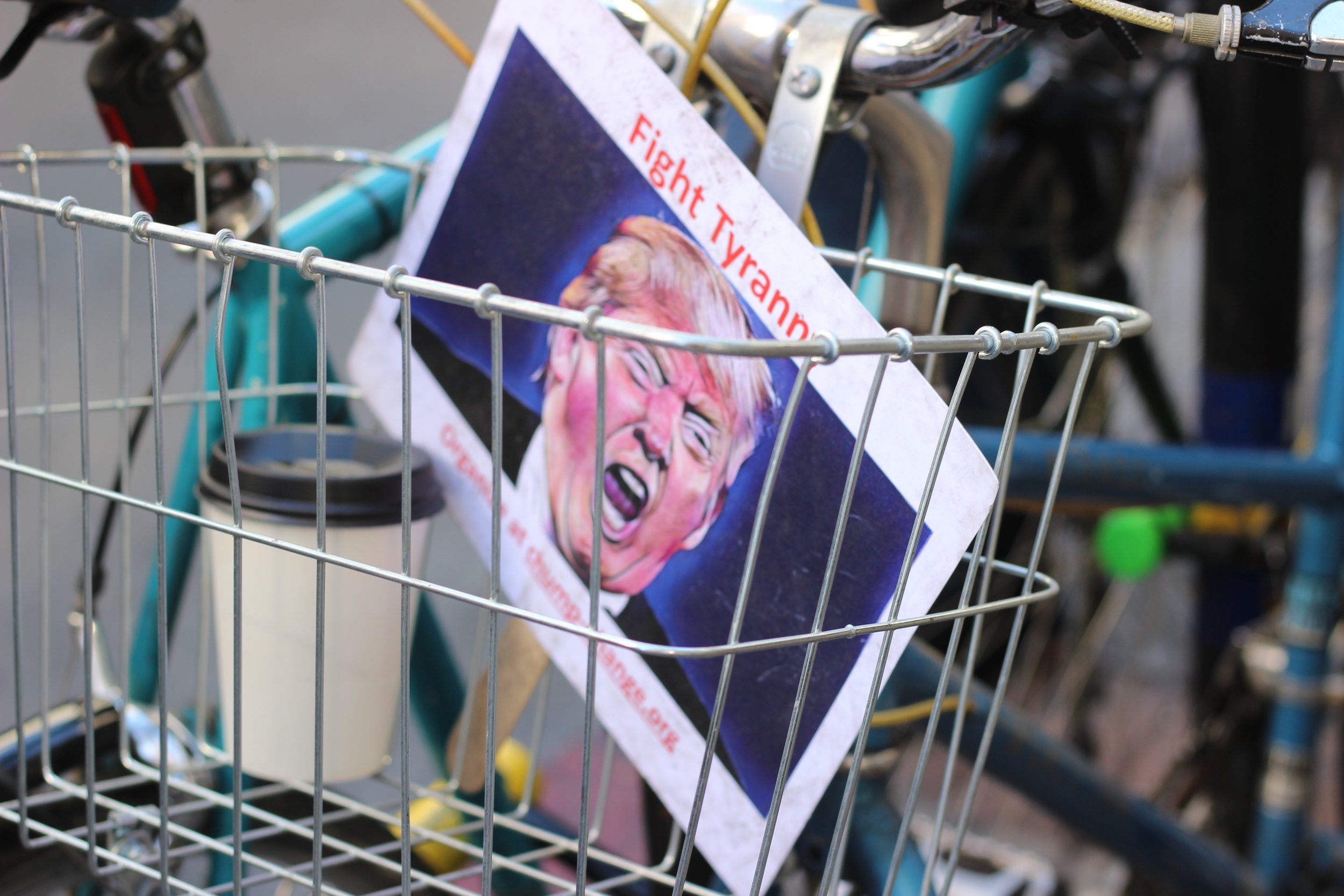
‘The Desperate Cry from My German Jewish Friends to See a New US Leader’
Mati Shemoelof writes about German Jewish concerns over Trump, the AfD, antisemitism and the political connections between the US, Germany and Israel in 2020.
The jewish independent, 2020
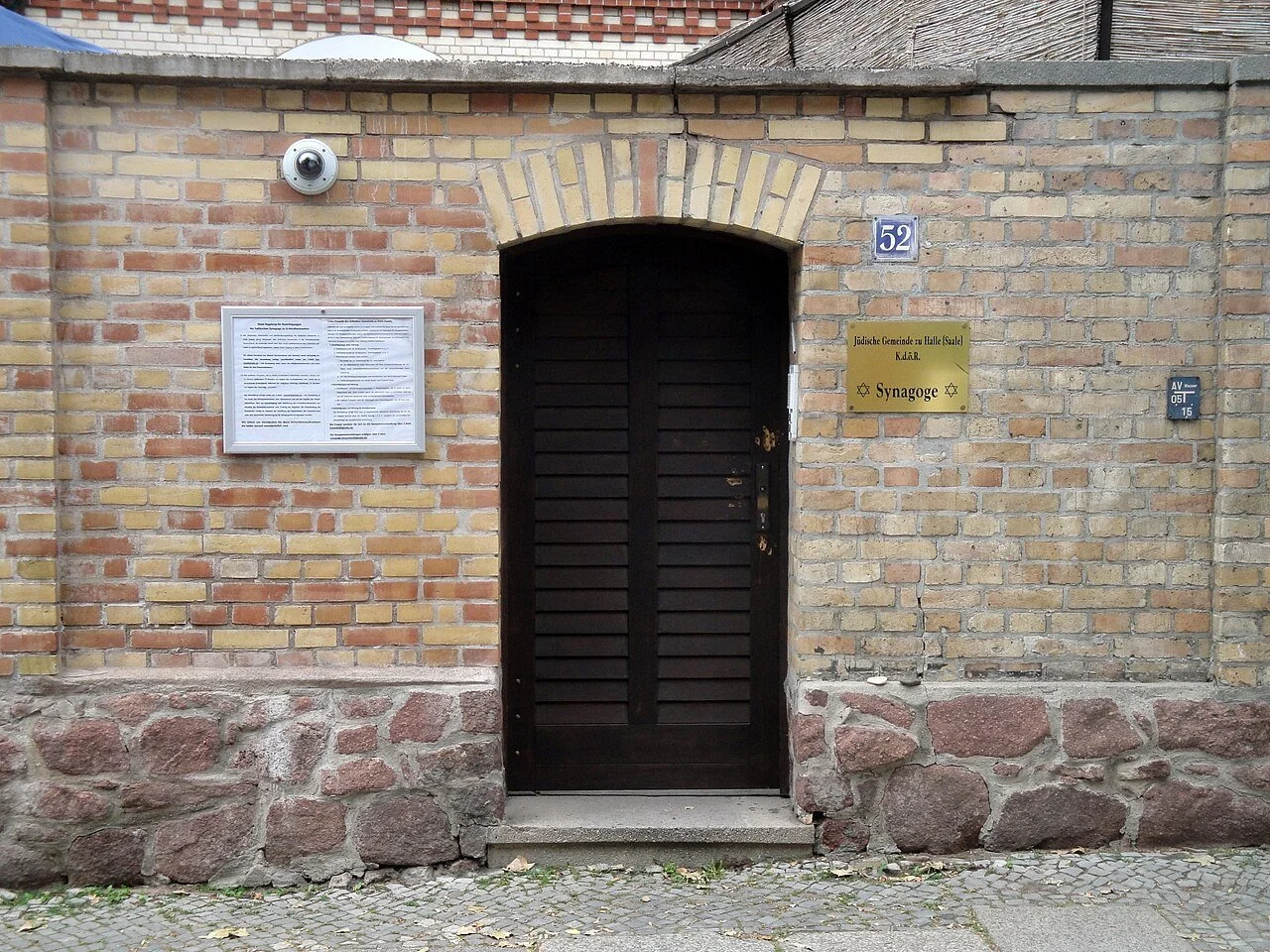
Halle Attack One Year On: “We Mourn, but as We Mourn, We Need to Create”
One year after the Halle synagogue attack, Mati Shemoelof speaks with Rabbi Jeremy Borovitz about trauma, Jewish resilience, community and creating new Jewish life in Berlin.
Photo - By Reise Reise - Own work, CC BY-SA 4.0, https://commons.wikimedia.org/w/index.php?curid=91198175
The jewish independent, 2020
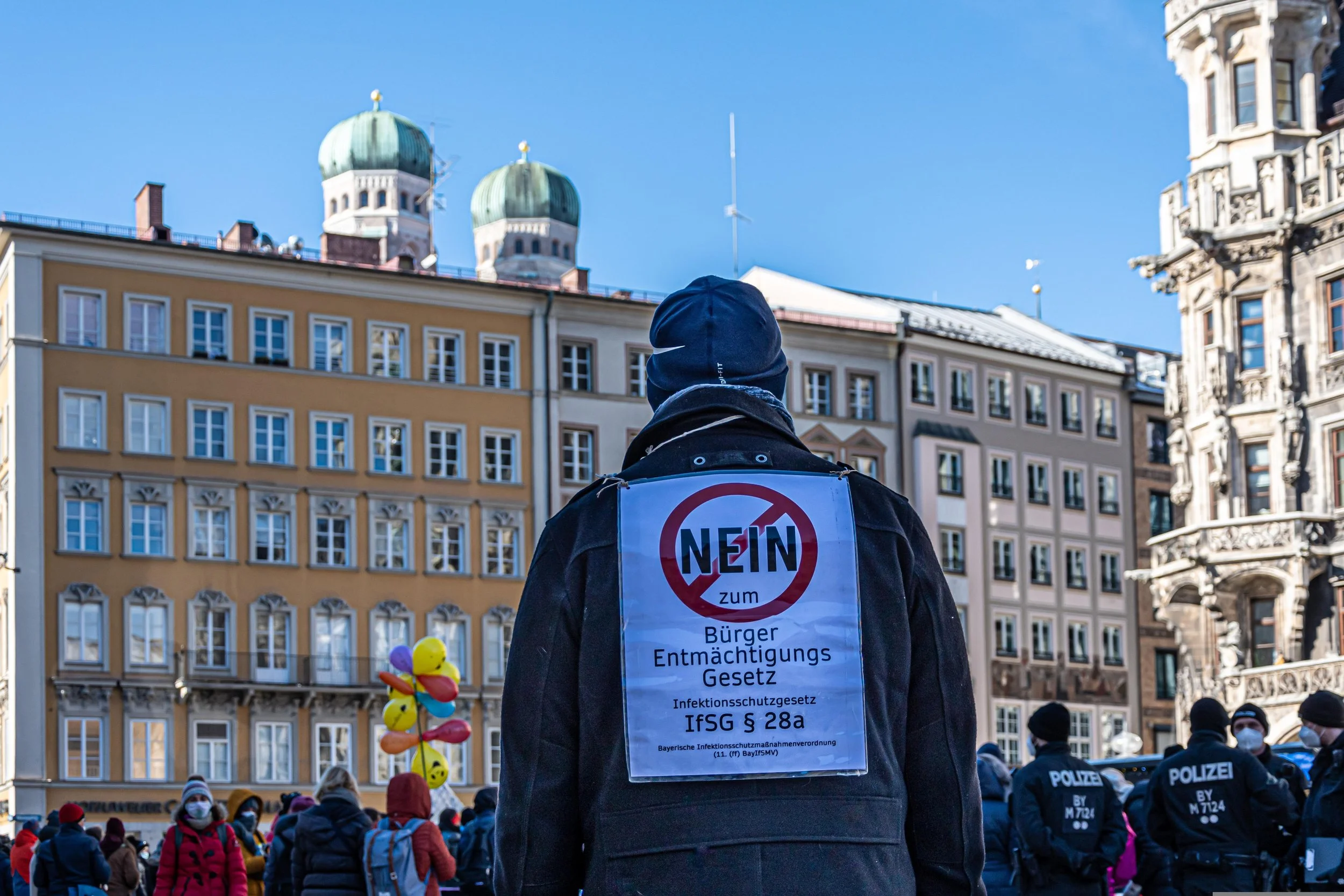
The ‘Yellow Badge’ Corona Demonstrations That Twist Germany’s Memory
Mati Shemoelof reflects on the use of Jewish symbols during coronavirus demonstrations in Germany and what they reveal about Holocaust memory, antisemitism and German political culture.

The Tel aviv REVIEW of books, 2020
“The non-German German”
In recent years, I have been diving deeper and deeper into the treasures of German culture. I read and write, thinking about questions of identity and belonging against the backdrop of Israeli and Jewish immigration to Germany, which, in literary terms, dates back to philosopher Moses Mendelssohn’s arrival in Berlin in 1743. Is German identity the exclusive property of German passport holders? Or is it plentiful enough to be shared with aficionados and non-citizen residents? In other words, is “Germanness” more than a question of nationality? Having spent the last six years in Berlin, as an immigrant encountering the local and other immigrant cultures, I have come to realise that the answer to this question is more multilayered than I thought.
Mantis: A journal of Poetry, Criticism & Translation, issue 19, 2020
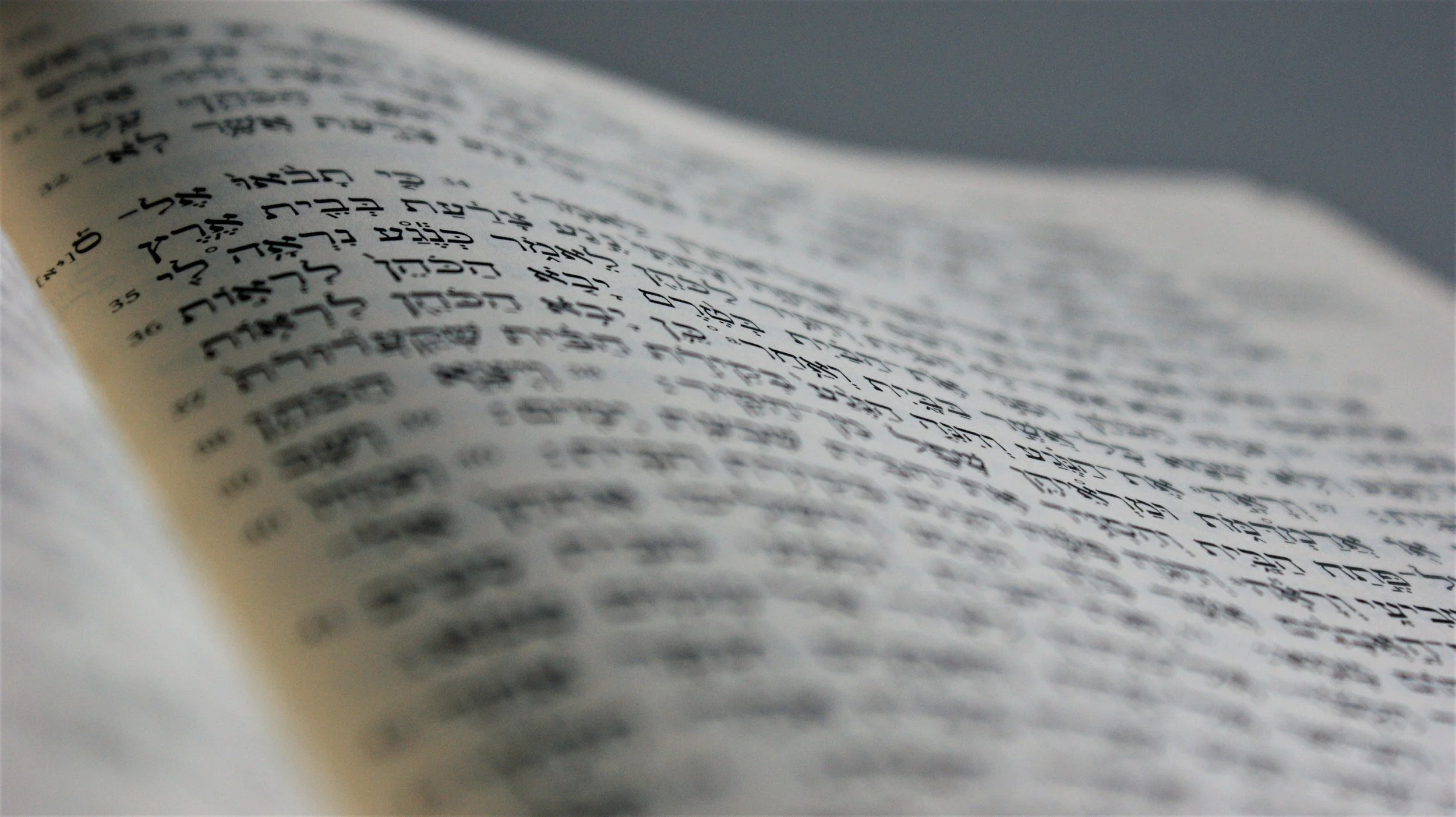
A Hebrew Writer in Berlin: On a Healing Disintegration Process
On Hebrew literature, multilingualism, diaspora and cultural identity in Berlin
Mati Shemoelof reflects on writing Hebrew in Berlin, the revival of a Hebrew literary presence in the city, multilingualism, diaspora and the struggle against cultural assimilation.
The jewish independent, 2020
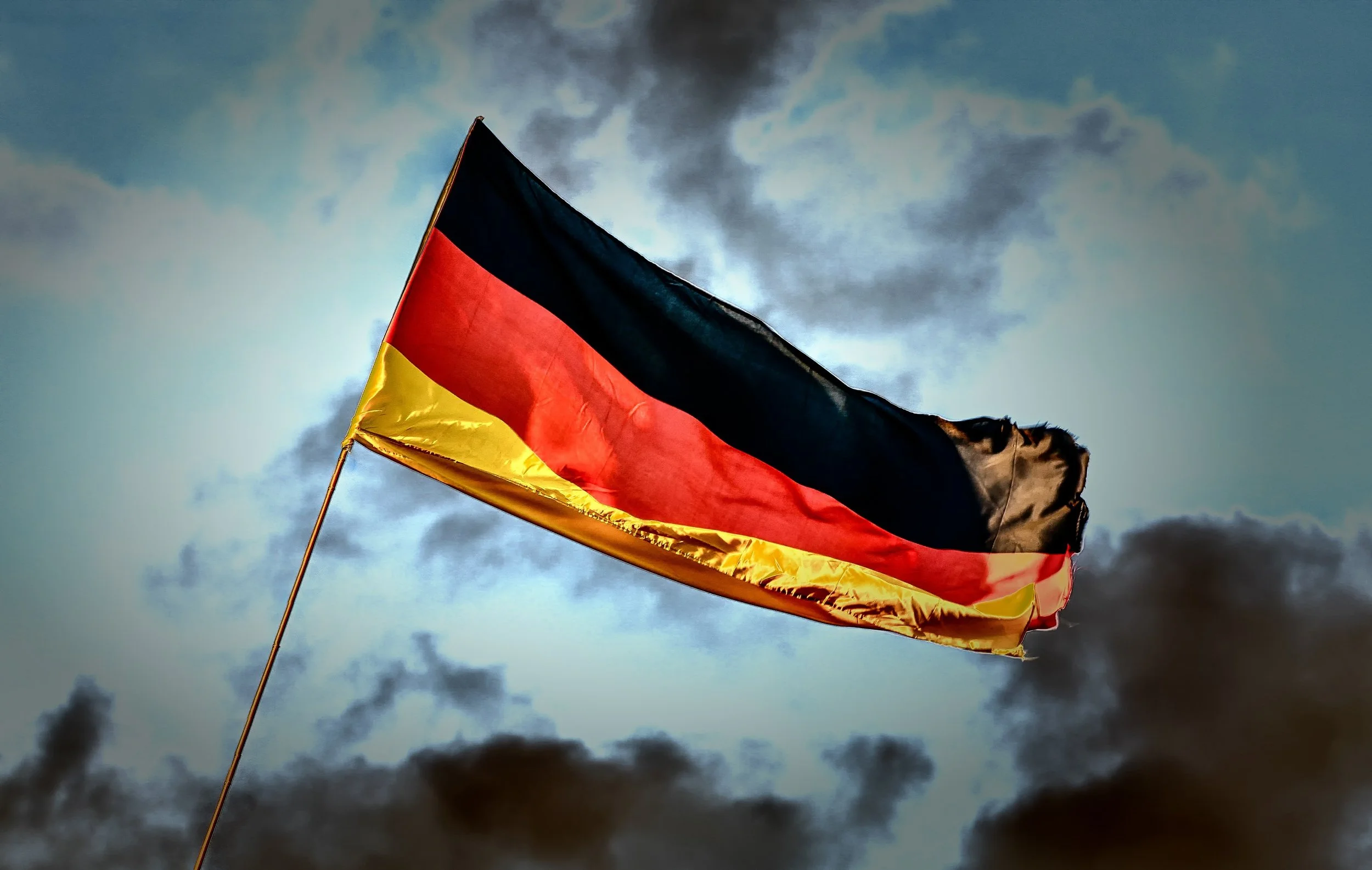
How Germany Turned National Obedience into a Victory over Corona
During the first coronavirus lockdown, Mati Shemoelof examines Germany’s response to the pandemic, public discipline, healthcare, surveillance and Angela Merkel’s leadership.
The jewish independent, 2020
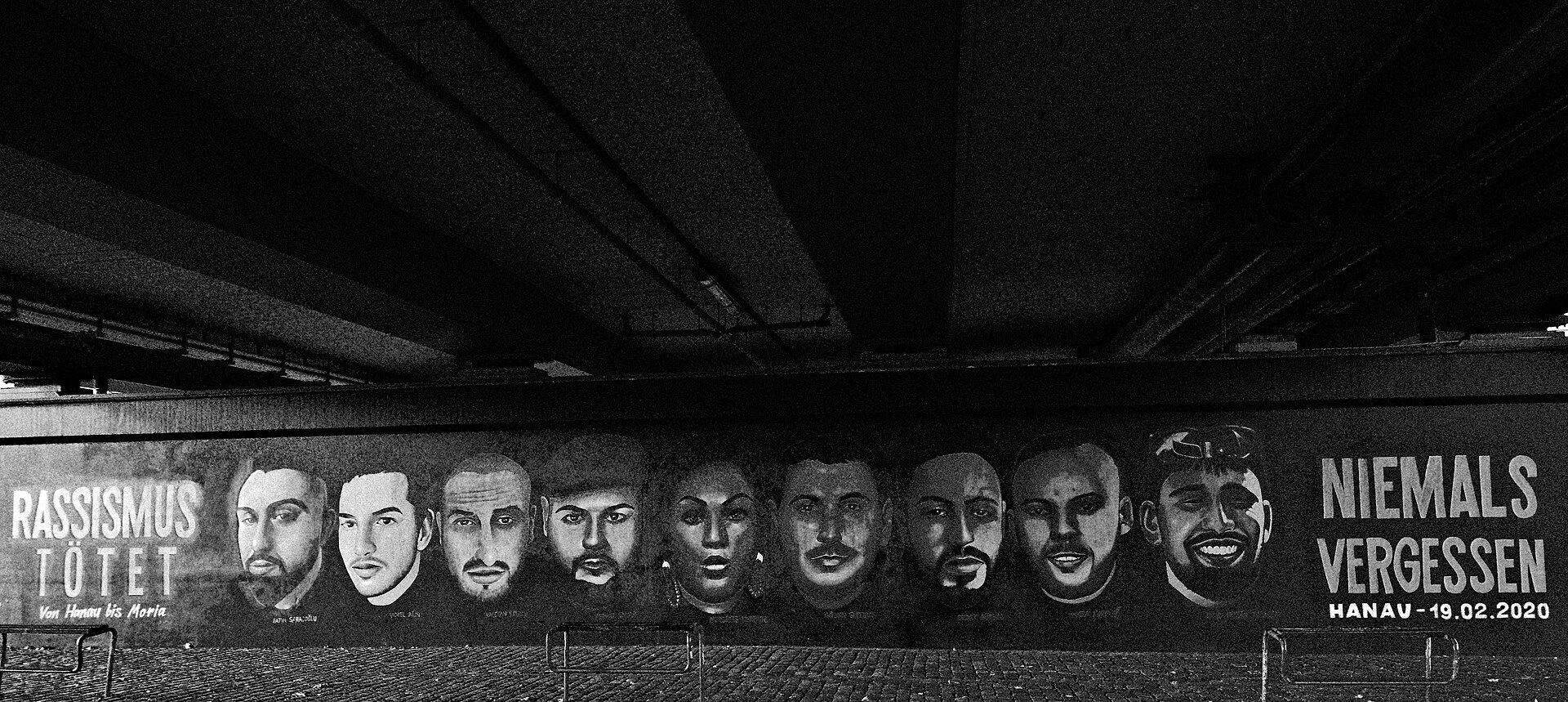
Sickening Feeling of More to Come After Muslim Murders in Hanau
An opinion article by Mati Shemoelof, written after the 2020 Hanau terrorist attack, on racism, Muslim communities, far-right violence and Germany’s political respons.
Photo credit - Christopher Glanzl, CC BY-SA 4.0 <https://creativecommons.org/licenses/by-sa/4.0>, via Wikimedia Commons
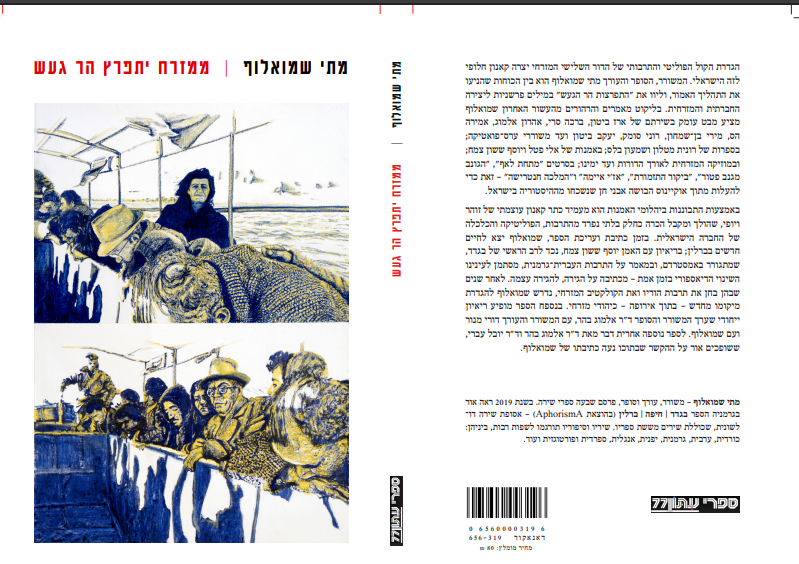
iton 77 publishers, 2020
aN ERUPTION FROM THE EAST
The idea of editing a book of articles came when I realized that a specific period in my life had ended. This period was shaped by the Mizrahi voice that I expressed together with a new generation of artists and writers, through endless performance activities in the periphery. Most articles were written during a single decade, 2006-2019. Israeli society has changed from one end to the other, and so have I. Dialectically, social hope has dissipated, and Mizrahi creativity has reached its zeniths.
Haaretz. 2020
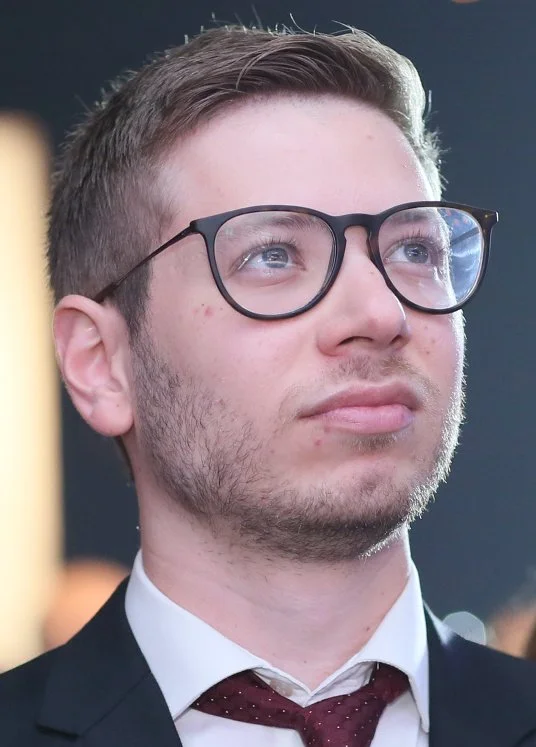
Yair Netanyahu, Twitter Buddy and Hero of Germany’s Nationalist Right
In this 2020 opinion essay, Mati Shemoelof examines Yair Netanyahu’s public exchanges with Germany’s Alternative for Germany (AfD) and places them within a broader discussion of Israeli and European nationalist politics. Writing around the 75th anniversary of the defeat of Nazi Germany, Shemoelof considers the political use of the “Other,” antisemitism, Islamophobia, nationalism and the treatment of migrants and minorities.
The essay also discusses developments in Germany including the Chemnitz riots, the murder of politician Walter Lübcke, the Halle synagogue attack, the Hanau attack and the rise of the far right. Shemoelof questions what the relationship between Israeli and European nationalist movements means for Jews living in Germany and elsewhere in Europe.
Originally published in Haaretz on 11 May 2020.

The jewish independent, 2020
Hate Crime in Berlin: An Israeli-Jewish Perspective
An Israeli writer in Berlin reflects on hate crime, antisemitism, homophobia, Arab-Jewish identity and the experience of living among minorities in Neukölln.
The jewish independent, 2020
the political experiences of Russian-speaking Jewish communities in Israel and Germany
In this personal essay, Mati Shemoelof reflects on his relationship with Russian Jewish immigrants, drawing on his experiences as a Mizrahi Israeli and later as an immigrant living in Germany. He recalls serving alongside Russian immigrants in the Israeli army and the shared experience of being seen as outsiders within Israeli society.
Shemoelof then considers the political experiences of Russian-speaking Jewish communities in Israel and Germany, including their support for right-wing parties such as Yisrael Beiteinu in Israel and the AfD in Germany. He explores the relationship between migration, language, social exclusion, belonging and political identity, while comparing Russian Jewish experiences with those of Mizrahi Jews and other immigrant communities.
The essay also discusses Avigdor Lieberman, the treatment of Russian immigrants in Israel, and the different reasons Russian-German voters may have supported the AfD. Despite these political differences, Shemoelof reflects on the continuing connection he feels with Russian Jewish migrants and on the shared experience of becoming “the other” through migration.
Originally published on the Jewish Independent 6 February 2020.
The jewish independent, 2020
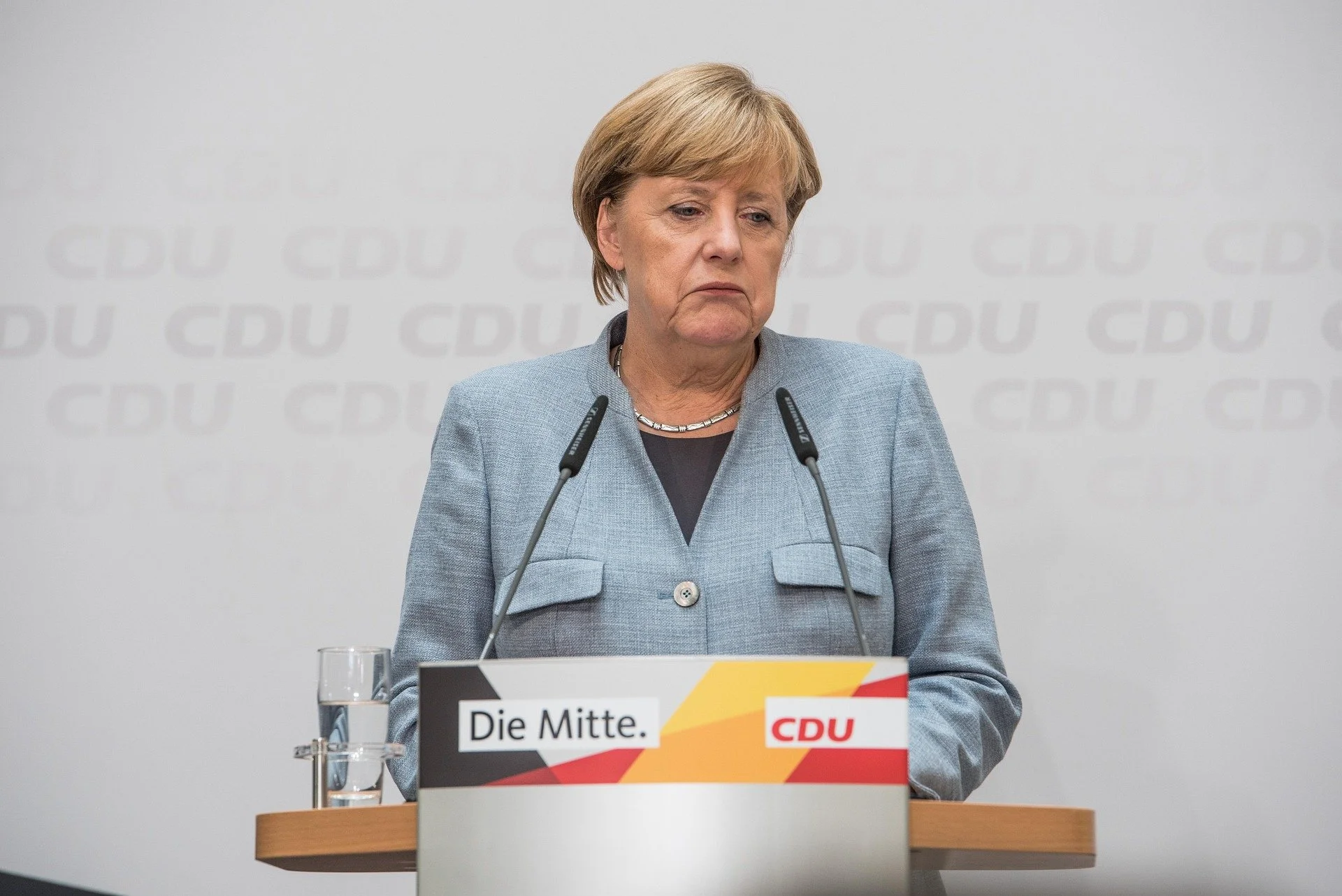
Angela Merkel’s Speech Helped Boost Morale but My Wife Needs More
During the first coronavirus lockdown in Berlin, Mati Shemoelof draws on memories of war and life in Israel while trying to reassure his German wife and young daughter.
Israel&palästina: zeitschrift für dialog. volume 1, 2020
stimmen. aphorisma verlaG
Wie nethanjahus sohn zum helden einer antisemitischen deutschen partei wurde
Mati Shemoelof über Yair Netanjahu, die AfD und die Verbindung zwischen israelischer und europäischer extremer Rechter. Erschienen 2020 bei Aphorisma.
Photo - U.S. Embassy Jerusalem, CC BY 2.0 <https://creativecommons.org/licenses/by/2.0>, via Wikimedia Commons
mondoweiss, 2019
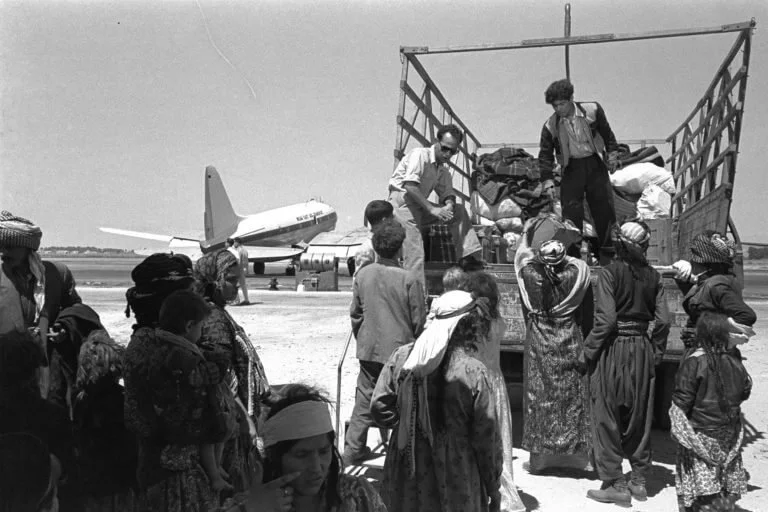
How Israel Uses Arab-Jews to Evade Justice for Palestinian Refugees
Mati Shemoelof examines the political use of Arab-Jewish history in Israel’s discourse on Palestinian refugees, lost property and historical justice.
The jewish independent, 2019
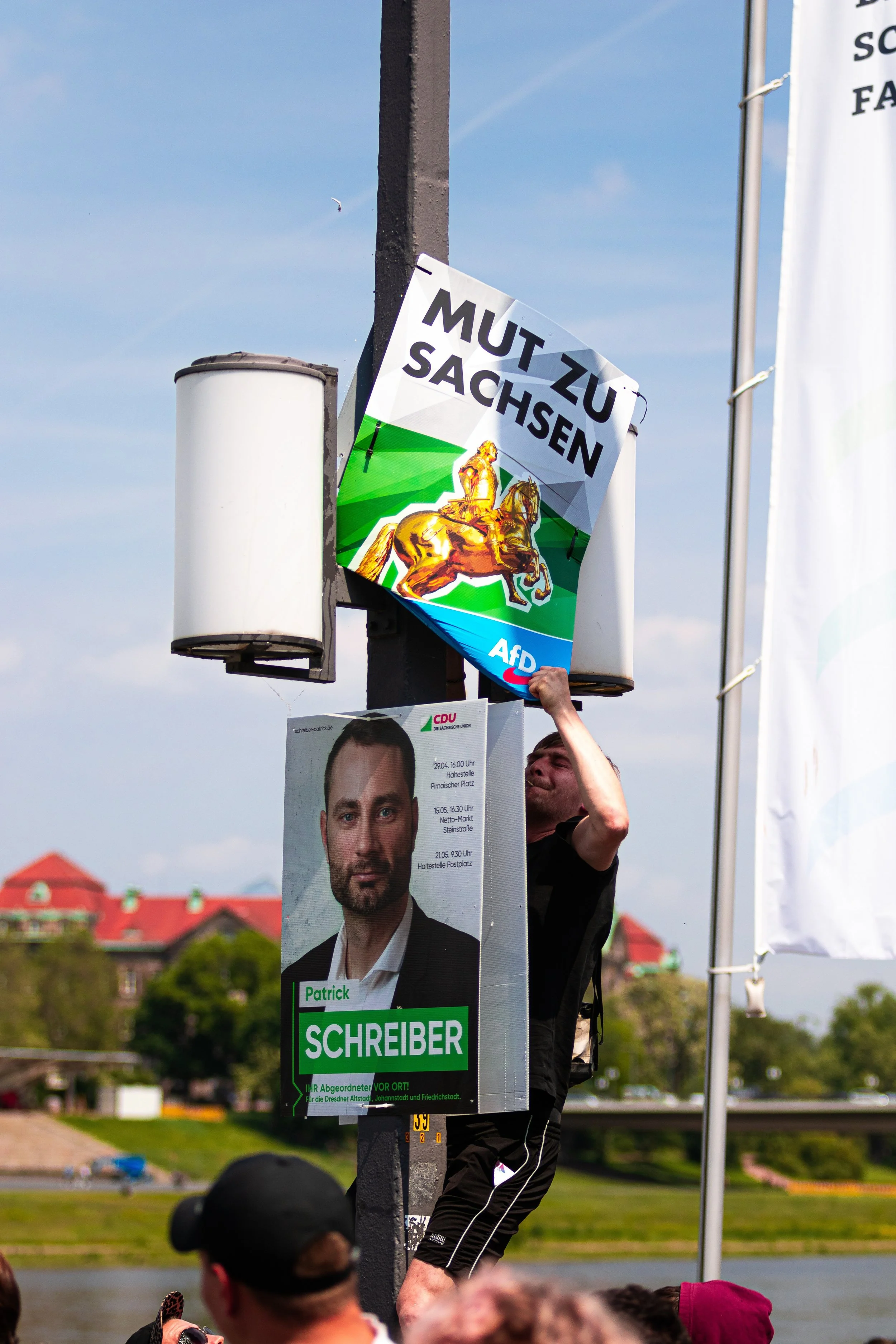
AfD Takes Germany Down a Dangerous Path to the Far Right
In this 2019 essay, Mati Shemoelof reflects on the rise of the Alternative for Germany (AfD) and the growing presence of the far right in German political life. Writing after participating in a Jewish festival in Dresden, he considers the political situation in Saxony and Thuringia, the debate over cooperation between the CDU and AfD, and the possible consequences for Jewish communities, immigrants, Muslims and asylum-seekers.
Drawing on his experience of Israeli politics, Shemoelof compares the normalisation of right-wing politics in Israel with developments in Germany. He discusses the murder of CDU politician Walter Lübcke, the Halle synagogue attack, threats against German politicians and the wider question of how Germany remembers the Holocaust.
Originally published on 27 November 2019. Last updated 4 March 2024.
The jewish independent, 2019
‘A German Friend Emailed to Apologise on Behalf of His People’
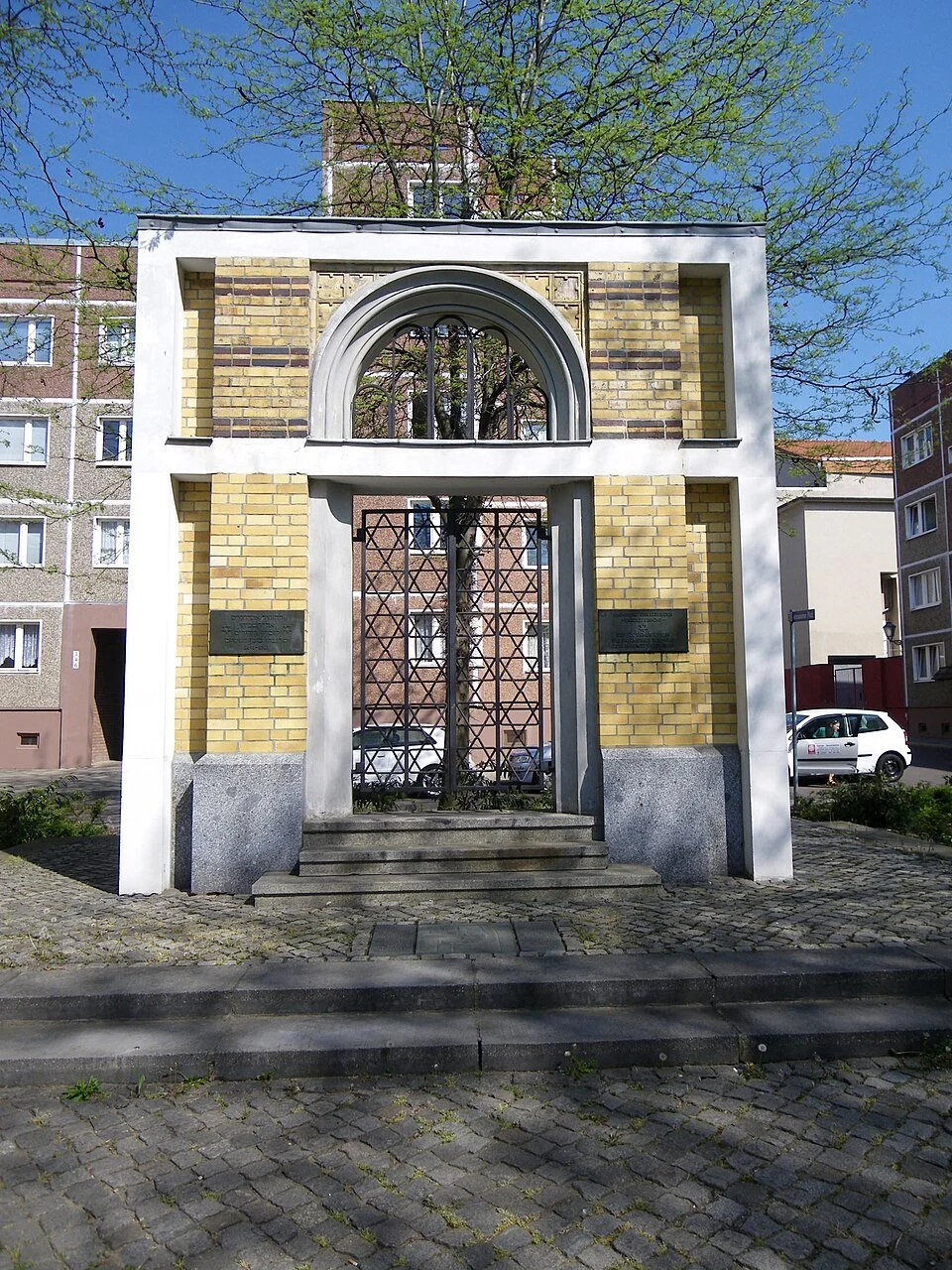
On Yom Kippur in October 2019, Mati Shemoelof was praying at the Fraenkelufer Synagogue in Berlin when he learned about the attack on the synagogue in Halle. In this personal essay, he reflects on fear, Jewish security, antisemitism and the experience of being visibly Jewish in Germany.
Shemoelof also considers the relationship between Jews and Arabs in Berlin, the danger of generalising about entire communities, and a German friend who wrote to him to apologise after the attack. Moving between the synagogue, the streets of Berlin and his family life, the essay explores what it meant to live as a Jewish writer in Germany in the aftermath of the Halle attack.
Photo - Dagmar Schmidt, CC BY-SA 3.0 <https://creativecommons.org/licenses/by-sa/3.0>, via Wikimedia Commons
The jewish independent, 2019
Israeli Diaspora and the Right to Vote Abroad
An essay by Mati Shemoelof on Israeli citizenship, diaspora, political participation and the experience of Israeli expatriates living in Berlin.
mondoweiss, 2019
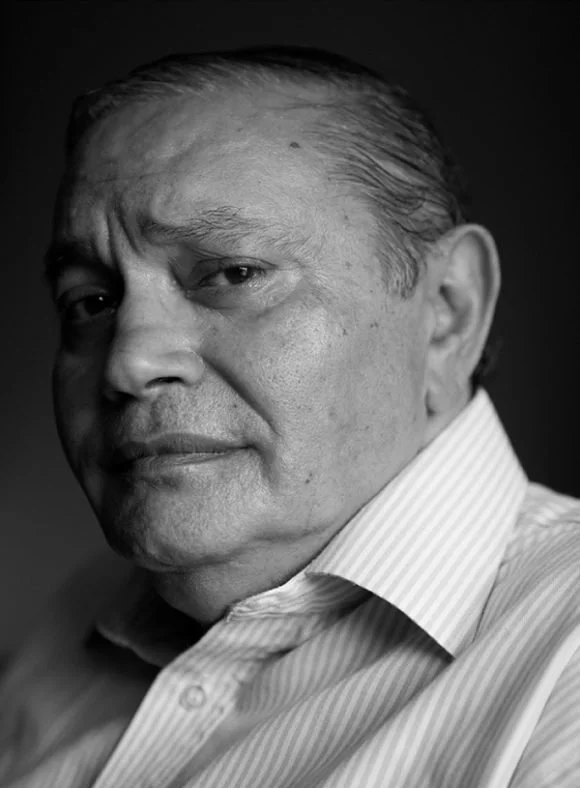
There Is No Peace Without Equality: The Legacy of Kochavi Shemesh and the Israeli Black Panthers
Mati Shemoelof explores Kochavi Shemesh and the Israeli Black Panthers, Mizrahi struggle, social justice, equality and peace in Israel.
Photo- Co-founder of the Israeli Black Panthers, Kochavi Shemesh, born in 1944, Baghdad, Iraq. Photographed in Jerusalem in 2011, 90/120 cm by David Adika. (Photo: courtesy of David Adika)
The jewish independent, 2019
My Address Is in Berlin but I’m No Less Israeli
In this personal essay, Mati Shemoelof reflects on what it means to be Israeli while living in Berlin. He explores migration, diaspora, belonging and the tension between his Israeli identity and his new life in Germany.
Drawing on memories of Haifa and Tel Aviv, Shemoelof also considers Mizrahi identity, the Ashkenazi-Mizrahi divide and the different ways Israelis living abroad are perceived. Between attachment to Israel and the experience of life in Berlin, the essay asks whether identity can belong to more than one place.
mondoweiss, 2019
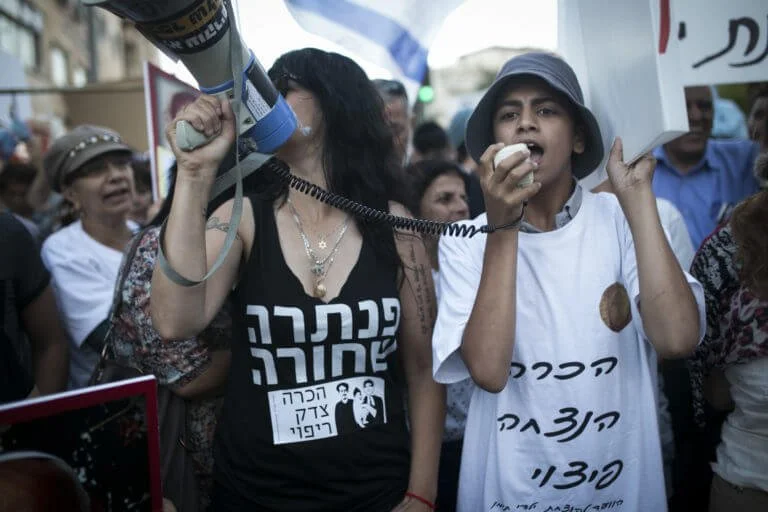
A Mizrahi Appeal Against Israel’s Nation-State Law
Mati Shemoelof examines why Mizrahi and Arab-Jewish activists challenged Israel’s Nation-State Law, focusing on Arabic, cultural identity and equality.
Photo - Mizrahi Jews protest over allegations of the abduction of infants from their families by staff at state-run medical facilities during the 1950s, Jerusalem, 2017. (Photo: Shiraz Grinbaum and Yotam Ronen / Activestills.org)
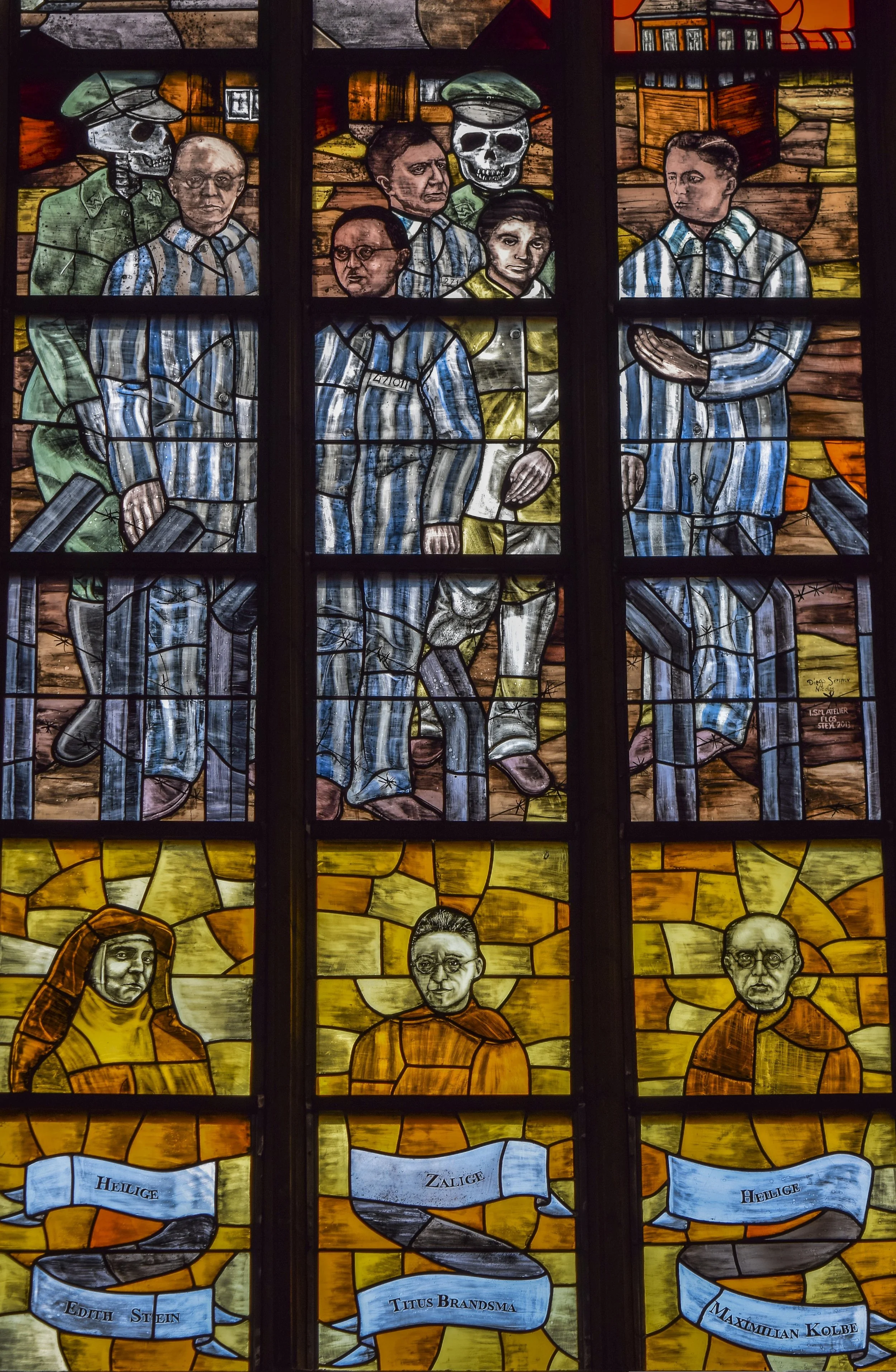
The jewish independent, 2019
On Yom Hashoah, Conversations with Ghosts of Germany’s Past
In this personal essay, Mati Shemoelof reflects on living in Berlin as a Jewish writer whose family background is Mizrahi rather than European. On Yom Hashoah, encounters with Stolpersteine, Wehrmacht memorials, his German family connections and the city’s Jewish history lead him to consider Holocaust memory, diaspora, guilt, belonging and the continuing relationship between Jews and Germany.
Moving between Israel and Berlin, Shemoelof examines how living in Germany has changed his understanding of Jewish identity and exile, while recalling the Jewish writers and cultural life that once shaped the city. The essay also considers contemporary antisemitism and the possibility of remembering the Holocaust while continuing a shared Jewish-German life.
The jewish independent, 2019
You Will Never Master the German Language
Mati Shemoelof reflects on learning German, language anxiety, migration to Berlin, and the struggle to find belonging through a new language.
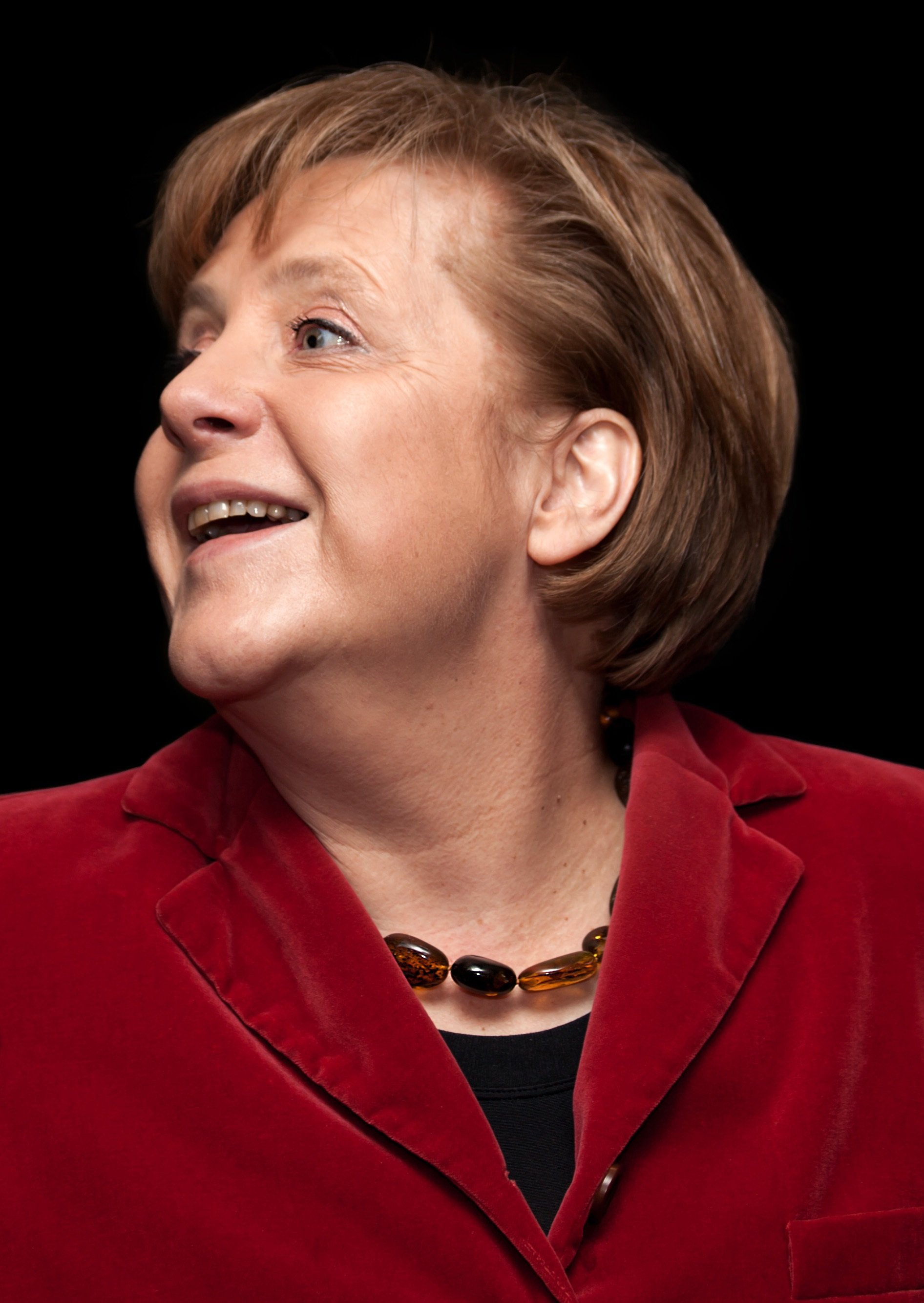
The jewish independent, 2019
Merkel’s Shaking Sends a Shiver Through Germany’s Jews
In this 2019 essay, Mati Shemoelof reflects on Angela Merkel’s political leadership and the changing political climate in Germany. Writing as a Jewish and Israeli writer living in Berlin, he considers the rise of the AfD, debates over refugees and immigration, antisemitism, far-right extremism and the murder of CDU politician Walter Lübcke.
The essay connects these developments with Shemoelof’s personal experience of Jewish life in Germany and his concerns about the political future after Merkel. It explores the relationship between German politics, antisemitism and the sense of security of Jews and other minorities.
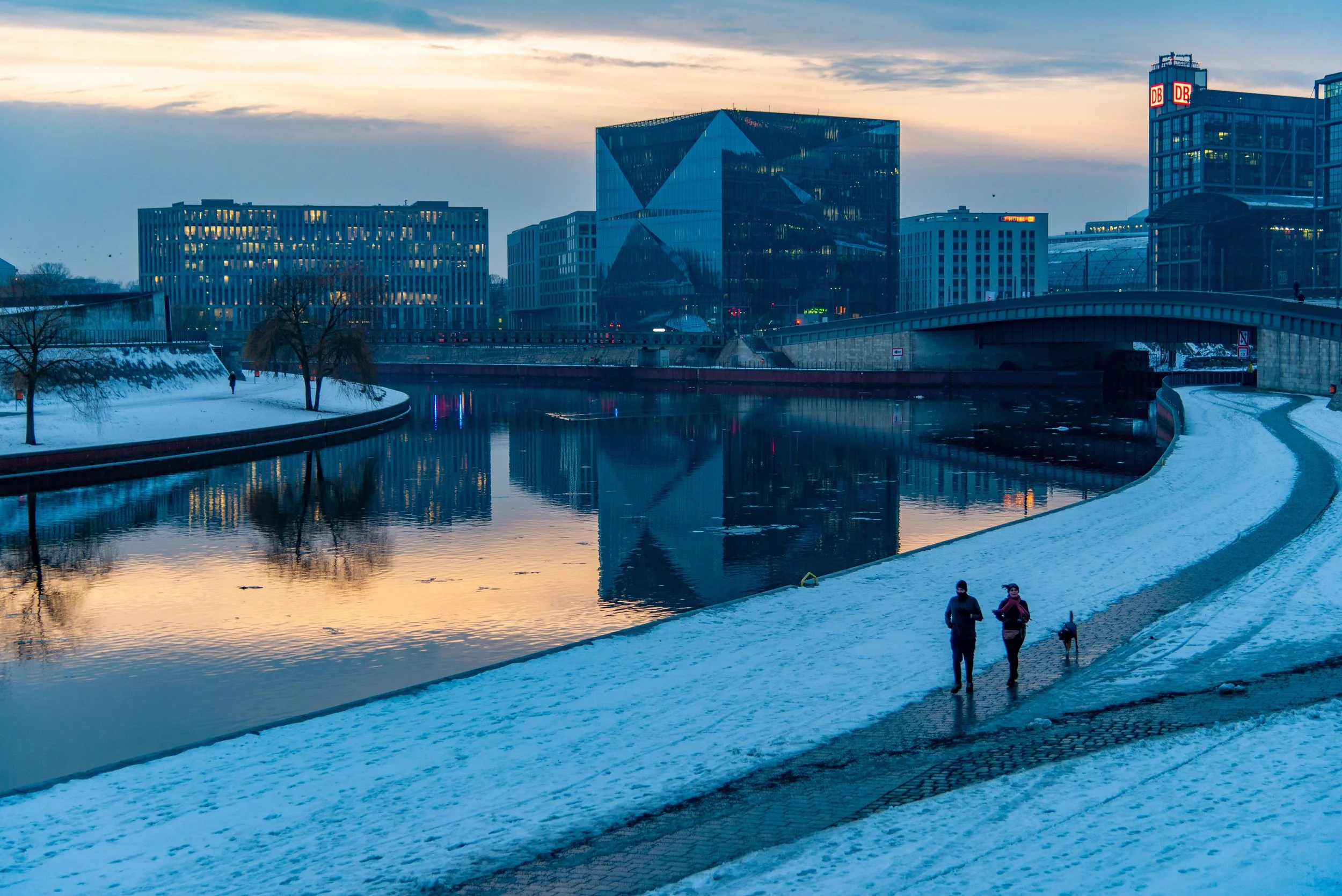
The jewish independent, 2019
What’s the Israeli Definition of Hell? Winter in Berlin
A personal reflection on Berlin winters, migration, homesickness, sunlight, language, and the experience of feeling like an outsider between Israel and Germany.

The jewish independent, 2018
Marrying into another faith does not mean we lose our Jewish identity
Mati Shemoelof reflects on interfaith marriage, Jewish identity, Mizrahi culture and the idea that marrying outside the Jewish community means losing Judaism.
The jewish independent, 2018
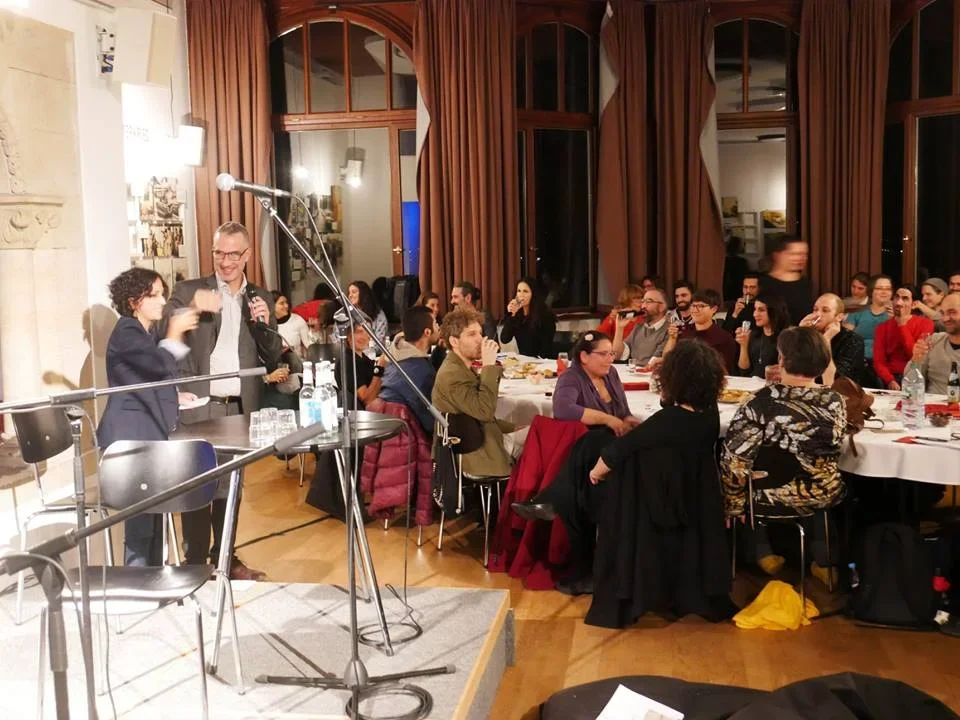
Creating our own alternative Arab-Jewish history in Berlin
Mati Shemoelof reflects on creating an alternative Arab-Jewish history in Berlin through literature, poetry and cultural exchange between Jewish and Arab writers from Israel and Arab countries. From Mizrahi Jewish memory to contemporary exile and diaspora, the article explores how Berlin can become a space for recovering connections that were lost in the Middle East.
Photo - 25. Oktober 2018/ LCB Alle Fotos: Copyright Loris Rizzo

The jewish independent, 2018
From Vilna with love: The life of a remarkable Yiddish poet
Mati Shemoelof explores the life and poetry of Abraham Sutzkever, his survival of the Vilna Ghetto, and his lifelong commitment to Yiddish culture.
tHE JEWISH INDEPEDENT, 2018
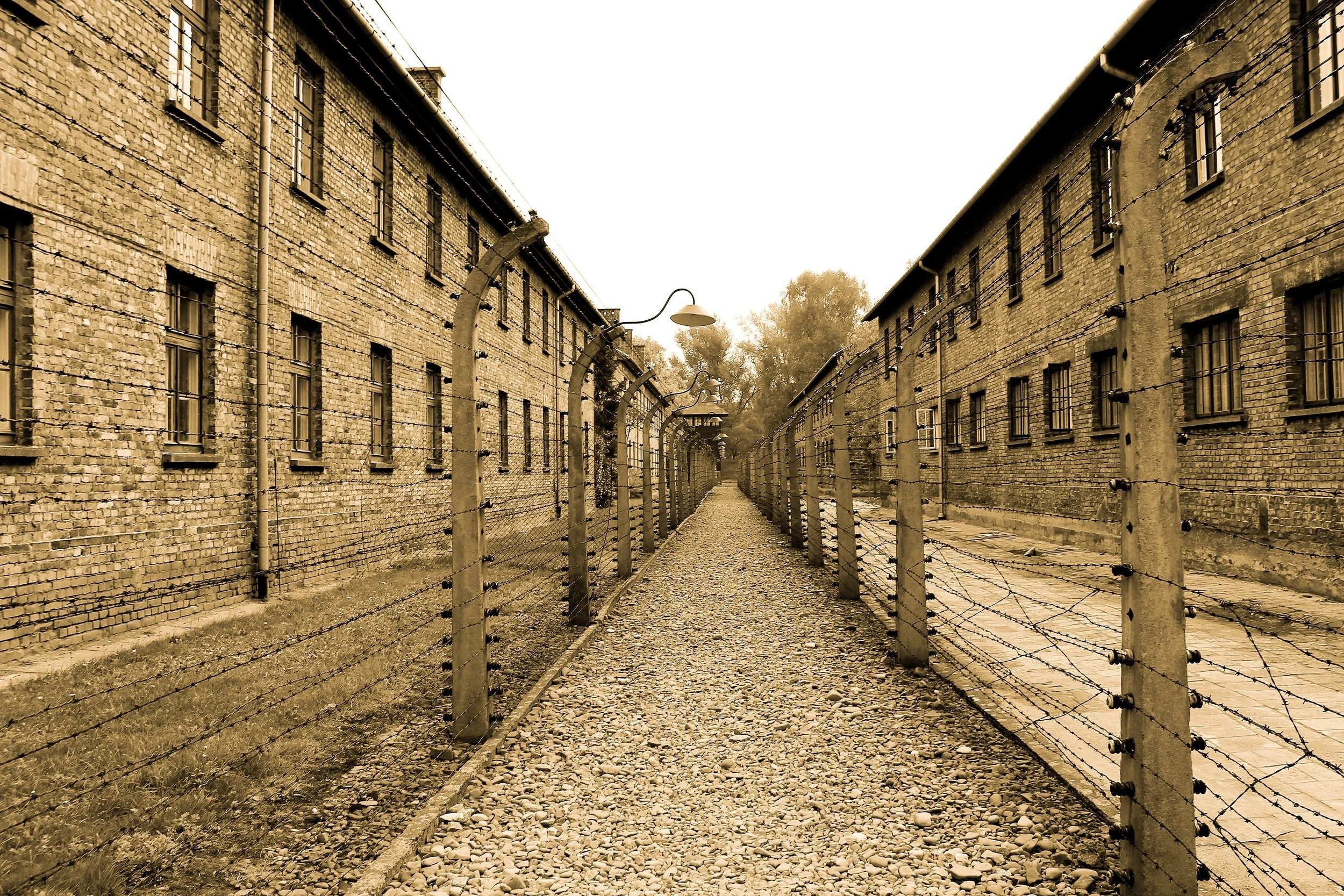
Obsessive Lens on Nazi Buildings That Have Forgotten Their Past
Israeli artist Hadas Tapouchi photographs former Nazi buildings and forced labour camp sites across Europe, exploring memory, history and the transformation of places in Berlin and beyond.

the jewish independent, 2018
Whatever it is, the way you tell your story online can make all the difference
Mati Shemoelof reflects on Israelis leaving Berlin for Israel, migration, language, identity and the cultural life of Berlin’s Israeli community.
the jewish independent, 2018
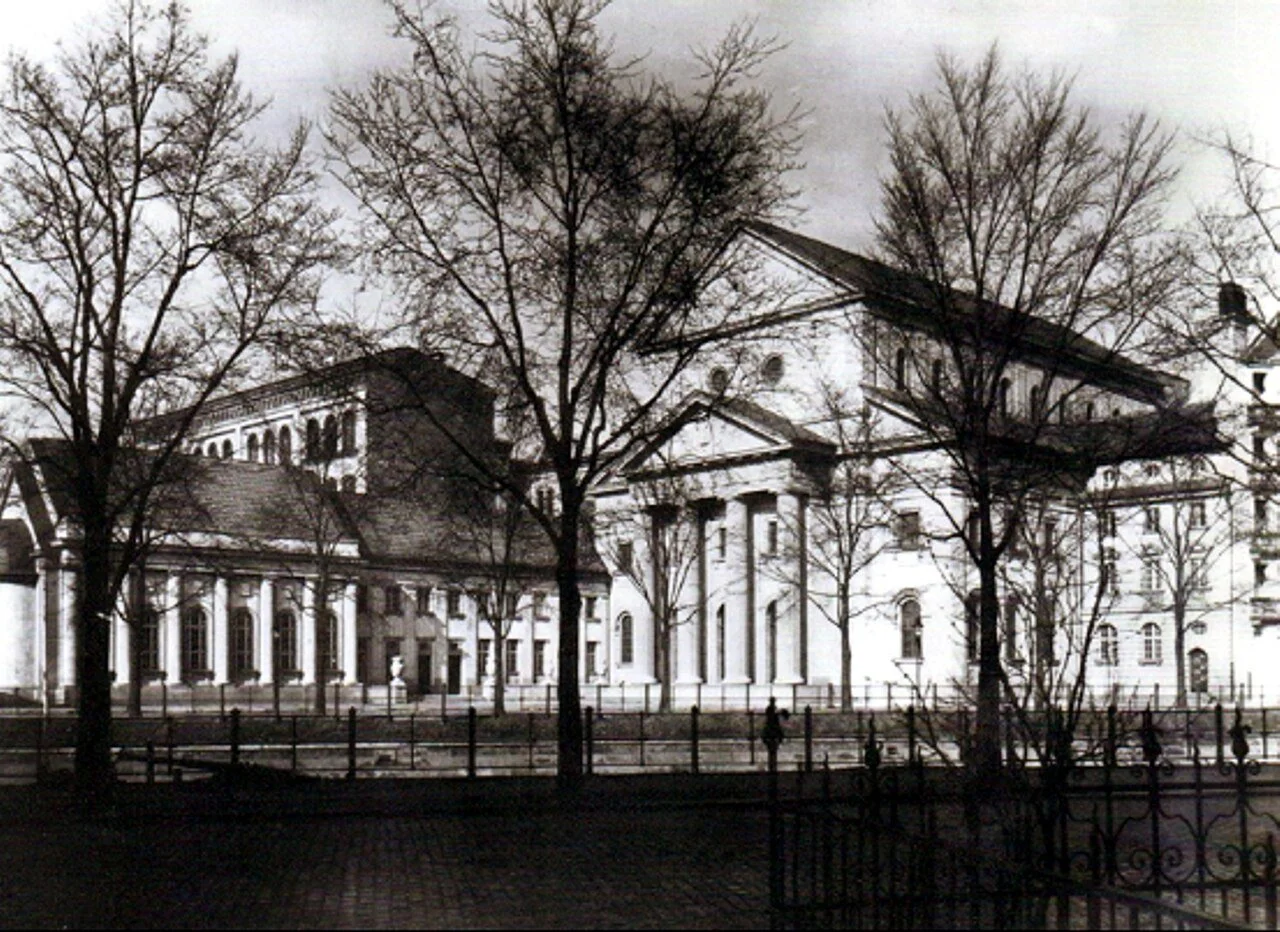
Reborn Berlin synagogue reaches out to Muslim refugees
Mati Shemoelof visits Berlin’s Fraenkelufer Synagogue and explores its work with refugees, Muslim communities and Jewish-Muslim dialogue.

“Eine Literaturkonferenz zur Erosion des Demokratischen”,2018
The Israeli Literary Diaspora
The rise of right-wing ideology in Israel has also influenced the literary scene. On 2015 “The Council for the Culture and Arts of the Lottery foundation” (In charge of organising the highest prize for literature in Israel - “The Sapir Prize”) decided that this prize belonged only to Israelis who had been living in Israel for the past 5 years.

Jalta Magazine, Neofelis Verlag, 2017
A Mizrahi in Berlin
Mizrahi Culture refers to the Arab-Jews descents who immigrate to Israel from Both the Islamic region of the Mashrak and the Maghreb. Being Mizrahi in Berlin is a new identity because most of the Jews here are European Ashkenazi Jews. Our parents and grandparents immigrated to Israel and we are the one who emigrated from Israel to Berlin.
Read more: Mati Shemoelof on Arab-Jewish identity, migration and diaspora
Explore Mati Shemoelof's articles, essays and cultural writing
Read more about Mati Shemoelof's writing, books and cultural work in Berlin
+972 Magazine, 2016
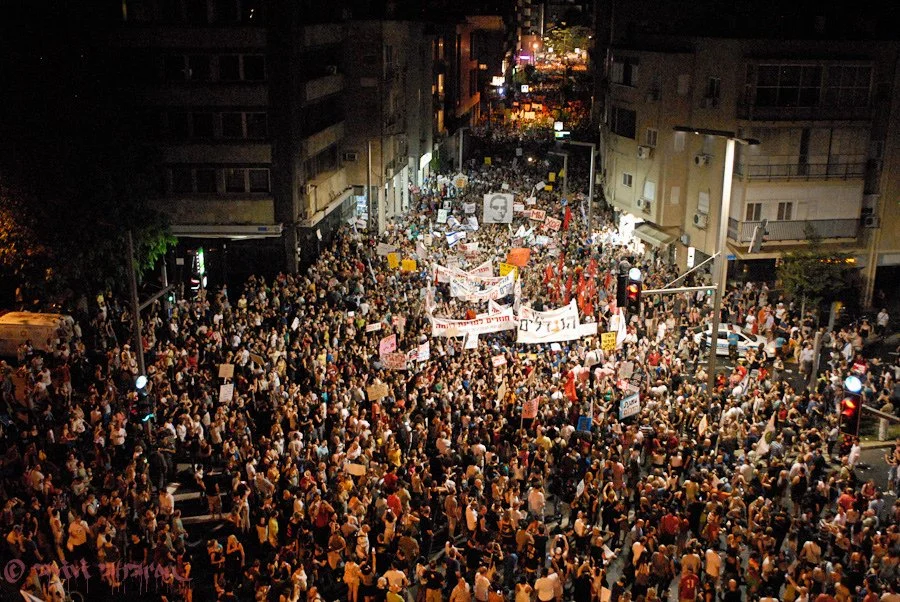
How the Social Protests in Israel Broke Down National Borders
In Goodbye Adolf, filmmaker and former protest leader Regev Contes confronts the failure of Israel’s 2011 social protests and discovers a family secret that challenges his Jewish Israeli identity. Mati Shemoelof reflects on nationalism, migration and the possibility of finding humanity beyond national borders.

Mondoweiss, 2016
El Al Captain Indoctrinates the Passengers, but Only in Hebrew
Mati Shemoelof recounts an El Al flight to Berlin and questions the use of Hebrew-only announcements to promote Israeli narratives to passengers.