Never, in all my years in Berlin, have I heard such an eruption of joy as when Scholz increased the military budget’
After Germany’s dramatic policy shift following Russia’s invasion of Ukraine, Mati Shemoelof reflects on militarisation, Jewish life in Berlin and his own decision to leave Israel.
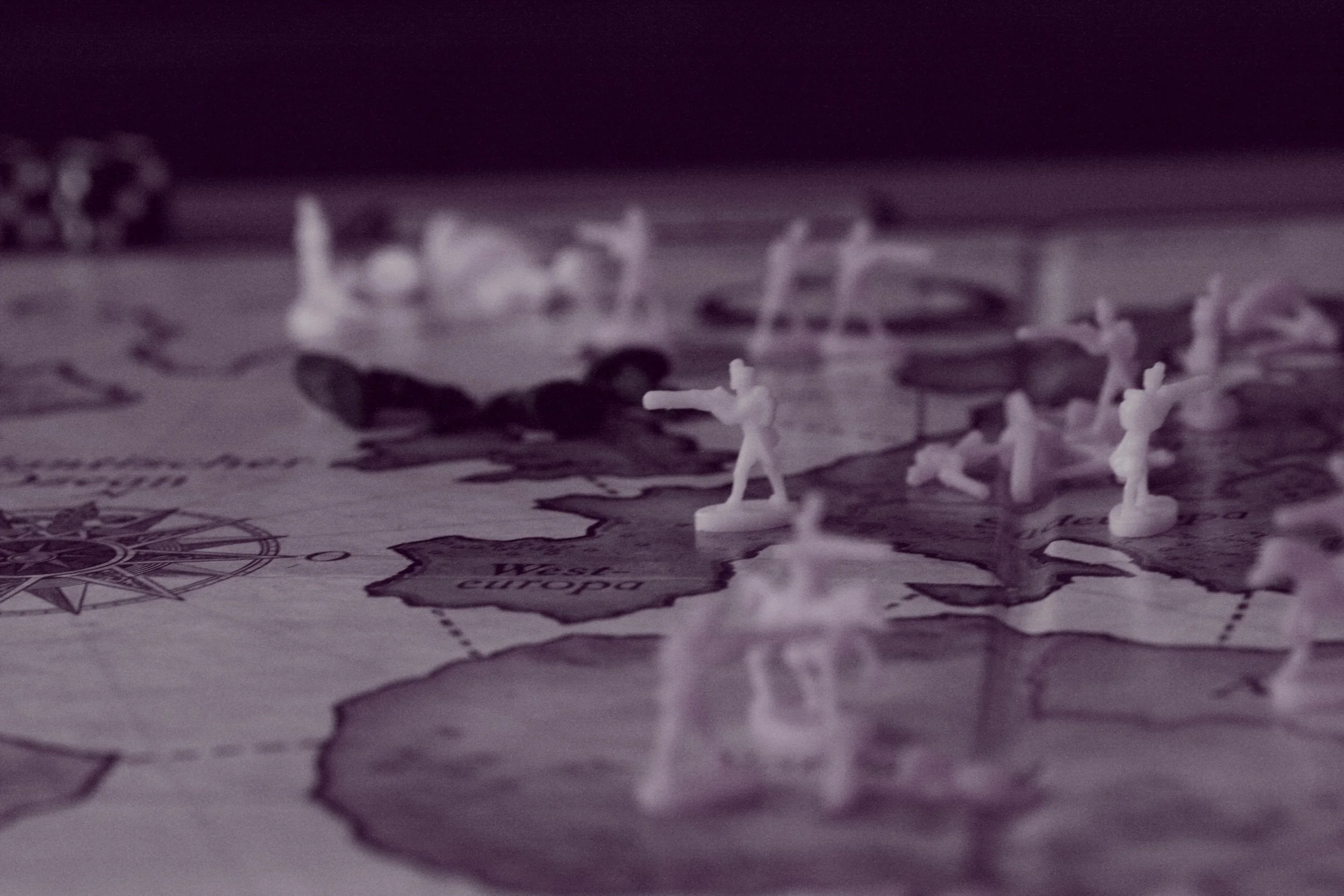
Photo - Pixbay
MATI SHEMOELOF digests the drama sparked by Germany's U-turn over the Ukraine crisis
I EMIGRATED TO Berlin from Israel to escape war. The conflict in Ukraine has made me doubt the wisdom of that decision.
I had wanted to find a quiet, safe place and Berlin seemed the perfect choice. Now it seems the whole country will undergo major militarisation and who knows what the result will be of Russia’s war against Ukraine. Unlike the average German, I know the whistle of the Grad missile, life in the shadow of a huge army, and running into a dirty shelter.
With the outbreak of the war, the discourse in Europe, and particularly in Germany, changed completely. Within three days, Germany halted the Nord Stream Baltic Sea gas pipeline project, designed to double the flow of Russian gas direct to Germany.
Germany then decided to allow the delivery of arms shipments to the Ukrainian army (it will send 1000 anti-tank weapons and 500 Stinger surface-to-air missiles) and agreed to join other EU countries arming the Ukrainians.
Most importantly, Germany has joined with them in agreeing to block the Central Bank of Russia and six other Russian banks from the SWIFT international banking system It also joined in a united move to block all airspace between Russia and Germany, and the German government began preparing further sanctions.
More than 100,000 people demonstrated in Berlin in a show of support for Ukraine. They waved Ukrainian flags, called Putin Hitler, and supported Germany’s economic sanctions against Russia.
Chancellor Olaf Scholz announced the Government had decided to supply 100 billion euros (two per cent of Germany’s GDP) for military investment from its 2022 budget. Germany had long resisted calls from the US and others to raise its defence spending to two per cent, yet it took just three days of war in Ukraine to achieve what four years of hectoring from Donald Trump could not.
Never, in all my years here, have I heard such an eruption of joy as when Scholz announced the defence budget increase.
Only a few voices on the Left are against the Government’s decision and its potential for ecological and socio-cultural disaster.
Some Jewish organisations have shown solidarity with Ukraine. Berlin-based Hillel Deutschland offered ways to contribute, demonstrate, and give assistance to Ukrainian refugees. It noted that 45 per cent of its community had a connection to Ukraine.
The Central Welfare Board of Jews in Germany has offered ways to donate for general humanitarian aid as well as special assistance to the Jewish community in Ukraine. OFEK, the country’s first advice centre that specialises in antisemitism, is finding sanctuary for Ukrainians with German roots. German Jews were once refugees; now they support the new refugees.
The left-wing Jewish-Israeli community in Berlin has probably compared the experience of bombed Ukrainians with the experience of bombed Palestinians, between the rapid mobilisation of Western powers to boycott Russia, and the fear of boycotts of Israel.
But other Jews in Germany don’t want to criticise Israel. They believe Germany does not properly protect it from Iran (for example, check this survey). They feel Germany should worry more about Israel’s security and less about its treatment of the Palestinians.
I do feel odd about the big expansion of Germany’s military budget. In Israel, the military’s view of its budget is so central to public discourse that it’s hard to give a non-military perspective.
I ran away from Israel to get away from all that only to find myself in it again – on a much bigger scale.
First published: First published on the Jewish Independent 8 March 2022. Last updated: 4 March 2024.
Category: Articles and Essays
Tags: Mati Shemoelof, Berlin, Germany, Ukraine War, Russia, Olaf Scholz, German Politics, German Military, Militarisation, Defence Spending, Israel, Israeli Diaspora, Jewish Life in Germany, Jewish Berlin, Ukrainian Refugees, Jewish Community, Hillel Deutschland, OFEK, Antisemitism, Migration, War, Peace
Related links: