Art Writing
I write about contemporary art, artists, exhibitions and the cultural histories that shape them. My art writing moves between criticism, research, interviews and exhibition texts, often exploring questions of memory, migration, Jewish and Arab identities, diaspora and political history. My texts have been published in art journals, newspapers and cultural publications, as well as in connection with exhibitions at museums and cultural institutions in Israel/Palestine, Germany and Austria. I am interested in the space between art, literature, history and politics, and in the ways artists create new perspectives on identity, memory and belonging.
Selected Art Writing & Criticism
How to Explain Hare Hunting to a Dead German Artist
An interview with Joseph Sassoon Semah on Joseph Beuys, Jewish art and German postwar culture
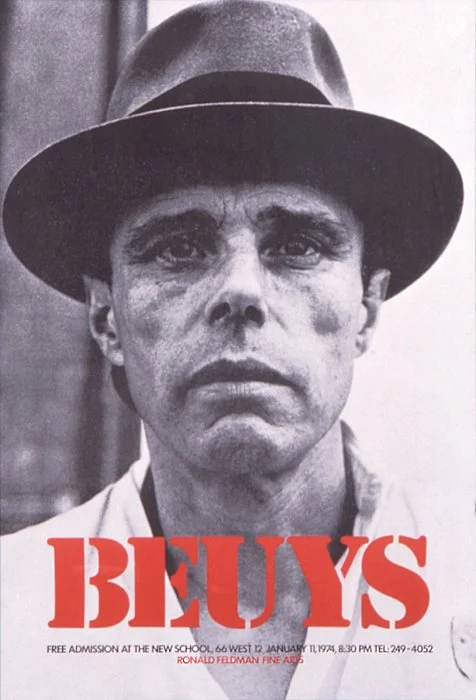
Ronald Feldman Fine Arts, CC BY-SA 3.0, via Wikimedia Commons
Mati Shemoelof interviews artist Joseph Sassoon Semah about Joseph Beuys, Jewish artistic criticism, Holocaust memory and the legacy of German postwar art. Originally published in Berliner Zeitung, 12 January 2021, under the title “Joseph Beuys: How to Explain Hare Hunting to a Dead German Artist.”
Joseph Beuys: Wie man einem toten deutschen Künstler die Hasenjagd erklärt
Anlässlich des Joseph-Beuys-Jubiläums spricht der jüdische Künstler Joseph Sassoon Semah über seine Kritik am Giganten der deutschen Nachkriegskunst.
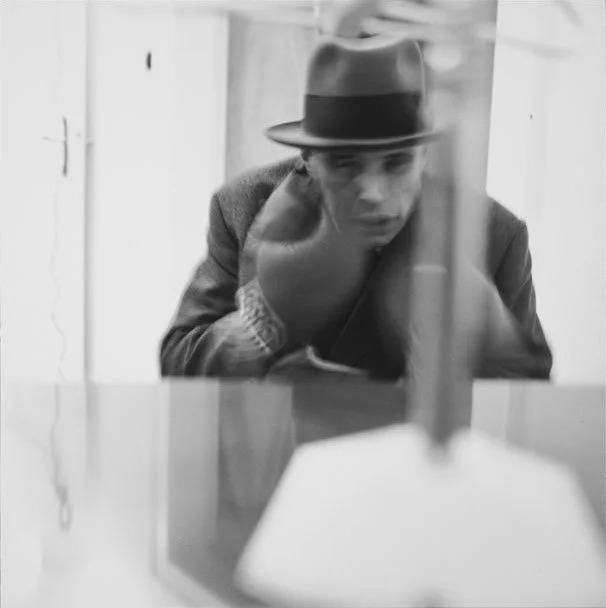
Lothar Wolleh, CC BY-SA 3.0, via Wikimedia Commons
Mati Shemoelof spricht mit dem Künstler Joseph Sassoon Semah über Joseph Beuys, deutsche Nachkriegskunst, Erinnerung, Judentum und die Hasenjagd als Holocaust-Metapher. Originally published in Berliner Zeitung, 12 January 2021, under the title “Joseph Beuys: How to Explain Hare Hunting to a Dead German Artist.”
Arab-Jewish Diaspora — Jewish Museum Hohenem
“Fragen (nach) einer arabisch-jüdischen Diaspora”
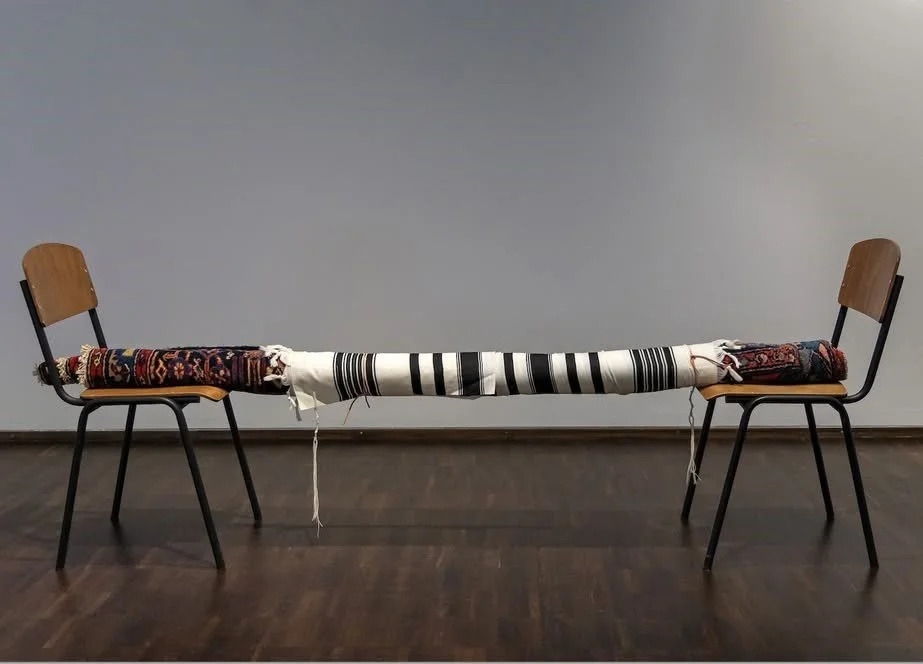
Jospeh Sasson Semach.
Essay written for an exhibition at the Jewish Museum Hohenems, Austria, and published in the exhibition catalogue. The exhibition and catalogue subsequently travelled to the Jewish Museum Munich and are scheduled to continue to the Jewish Museum in Fürth. The subject was also presented as a lecture. English version.
First published in:
Yalla. Arabisch-jüdische Berührungen — Online-Katalog zur gleichnamigen Ausstellung im Jüdischen Museum Hohenems, 2025. Herausgegeben von Anika Reichwald im Namen des Jüdischen Museums Hohenems. Redaktion: Dinah Ehrenfreund, Hanno Loewy. ISBN 978-3-200-10568-3.
Archaeology of the Subconscious: A Journey to the Eternal Pavilion of Rotem of Qiryat Gat
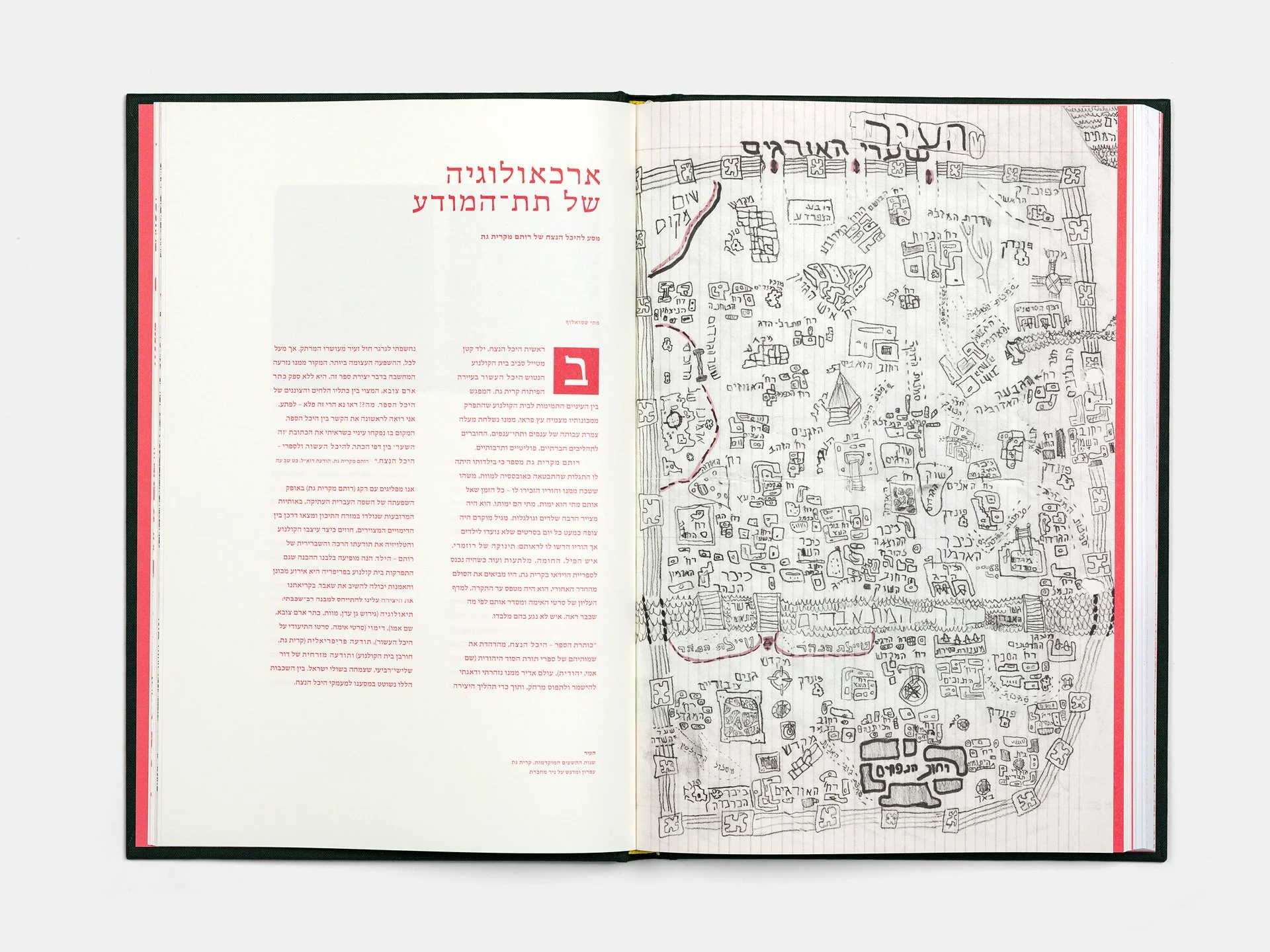
Mati Shemoelof explores artist Rotem of Qiryat Gat, his Eternal Pavilion, and the connections between art, memory, archaeology and the subconscious.
Mati Shemoelof in Conversation with the artist Rotem of Qiryat Gat
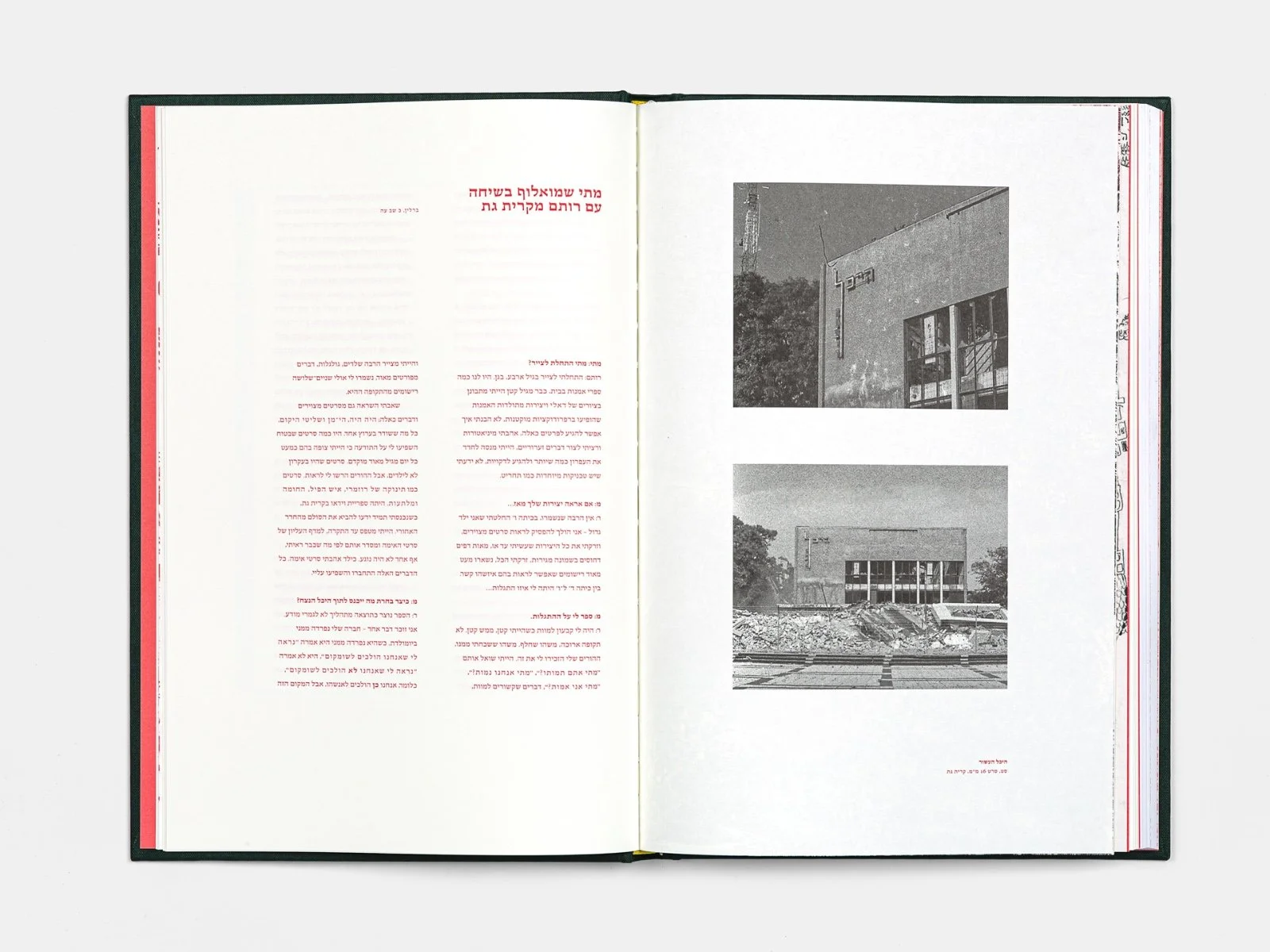
Mati Shemoelof speaks with artist Rotem of Qiryat Gat about drawing, death, horror films, Hebrew and Egyptian scriptures, the subconscious, and the personal mythology behind his work.
Opening Words – On Friendship / (Collateral Damage) IV
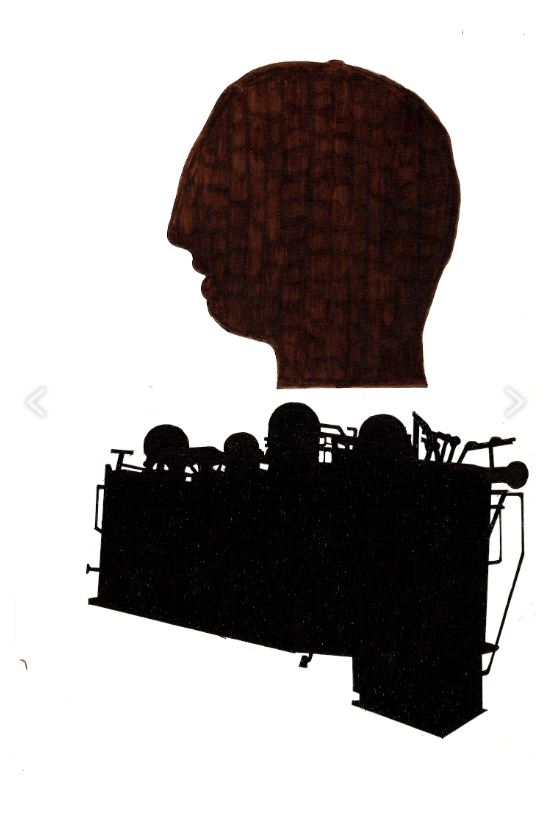
Joseph Sassoon Semah
The discussion about the creative activities of Joseph Beuys adhere to Eurocentric culture in general and to post-war German culture in particular. And yet, what will happen when two Iraqi Jews, i.e. Babylonian Jews – who live in two European capitals, Berlin and Amsterdam, respectively – decided to deconstruct Beuys’ post war art production.
Could we give these two guests who became our host free speech, and should we listen to their desire to reclaim the Jewish Babylonian tradition from Joseph Beuys’ art?
Most of the research on Joseph Beuys artistic activity has been generated by theories concerning Eurocentric culture, values and experiences, however this time we have the opportunity to hear other voices, a different reading that criticizes Beuys’ work.
Mati Shemoelof – Opening Words 28.10.2021. Goethe Institut – Amsterdam
Joseph Sassoon Semah — Tohu Art Magazine
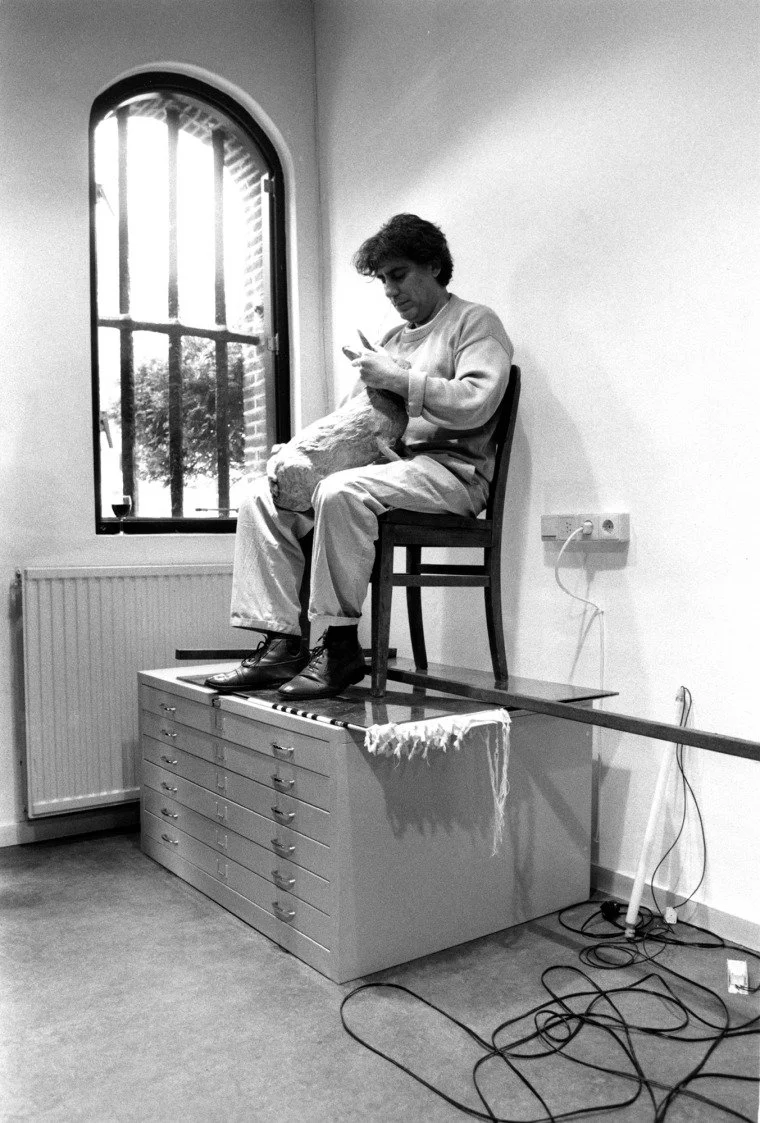
Joseph Sassoon Semah, How to Explain Hare Hunting to a Dead German Artist, February 24, 1986
Photography: Olaf Bergmann
Courtesy of Joseph Sassoon Semah
“How to Explain Hare Hunting to a Dead German Artist”
Essay and interview on the work of Babylonian-Jewish artist Joseph Sassoon Semah, addressing Judaism, diaspora, exclusion and artistic practice. The text was translated into three languages and presented in Amsterdam as part of the project.
Decolonizing the Palestinian Imagination
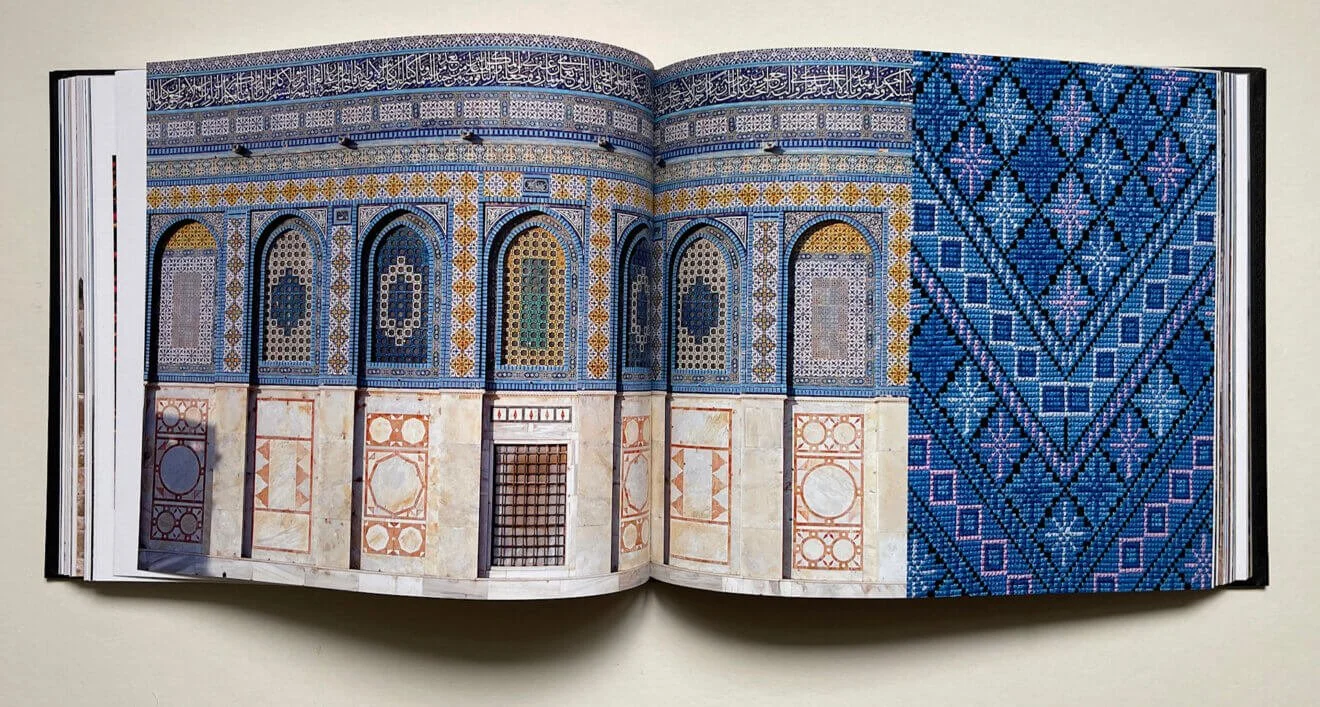
Artist Steve Sabella’s Palestine Unsettled challenges familiar representations of Palestine, using photography to explore memory, beauty, occupation, imagination and Palestinian life beyond the images produced by mainstream media.
Obsessive lens on Nazi buildings that have forgotten their past
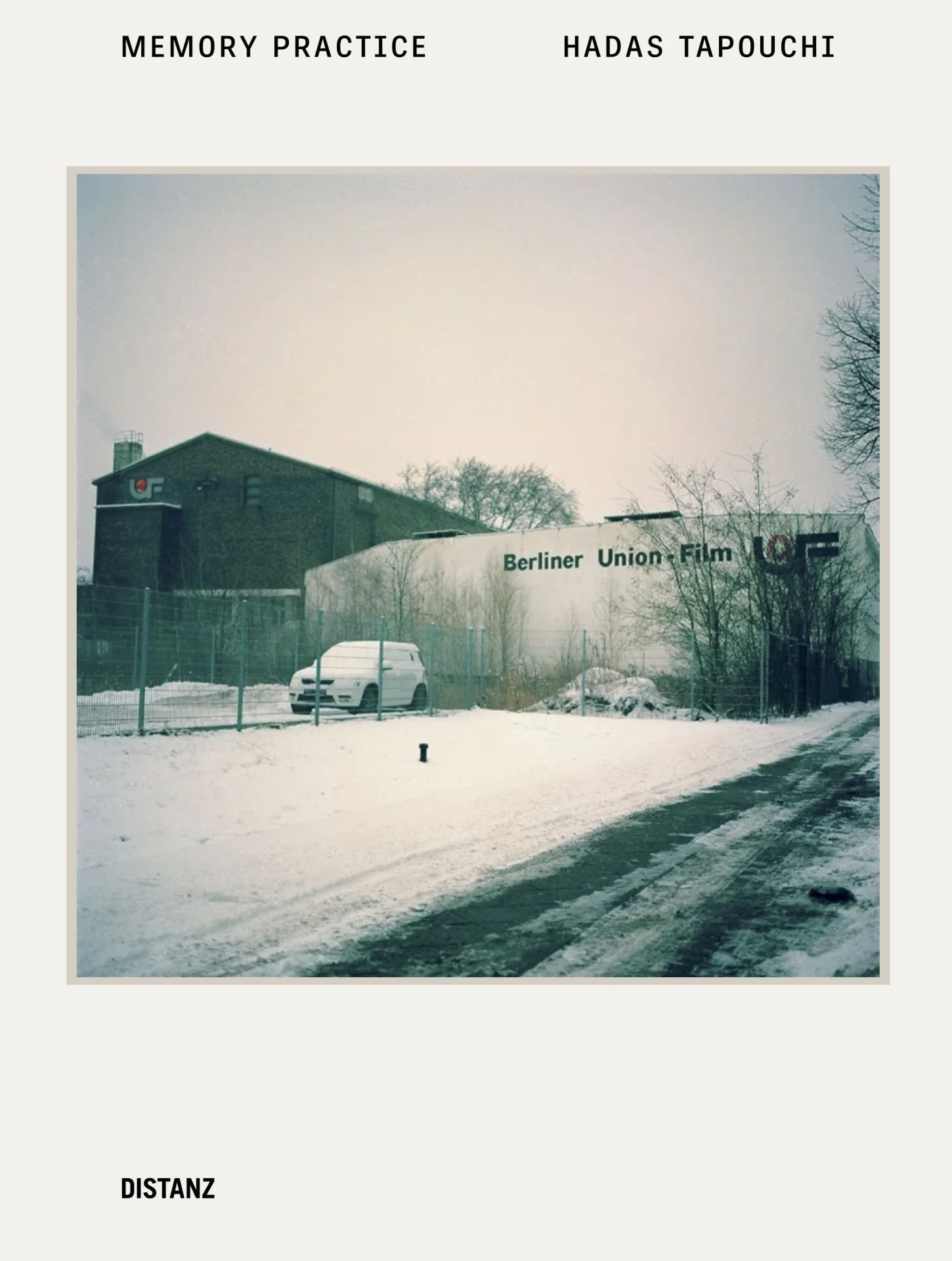
Mati Shemoelof interviews Israeli artist Hadas Tapouchi about Nazi buildings, forced labour sites, memory and the transformation of historical places across Europe.
This One-of-a-Kind Museum Is a Town’s Atonement for Generations of Hate
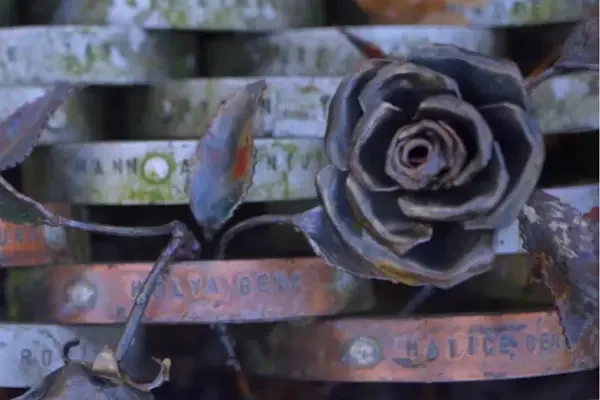
A detail of the memorial for victims of the 1993 Neo-Nazi attack
Mati Shemoelof visits the Center for Persecuted Arts in Solingen, reflecting on Jewish memory, persecution, racism, migration and the town’s difficult history.
Avi Ganor — Tel Aviv Museum of Art: “Alienated Past and Alienated Present: On the Engagement with Nightmarish Light”

Essay published in connection with Avi Ganor’s exhibition RealityTrauma at the Tel Aviv Museum of Art.
Eli Petel — Bezalel Journal: “The Violence in the Constitution of the Original”
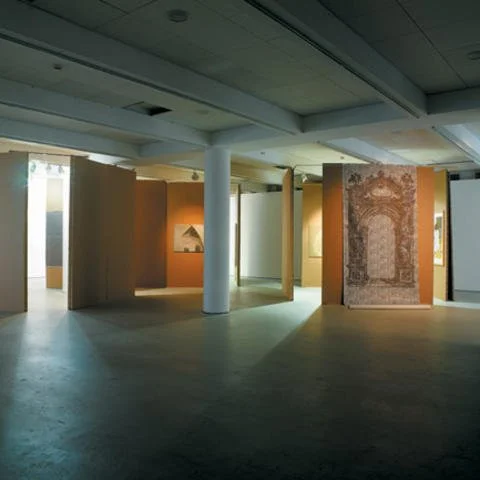
Essay on the work of Israeli artist Eli Petel and his exhibition Original Nature at the Helena Rubinstein Pavilion, Tel Aviv Museum of Art. Published in Bezalel: Journal of Visual and Material Culture, Issue 4.
Ido Shami: “Guys, Guys, Patience!” :Jedi Knights, Messianism and Street Language in the Work of Ido Shami
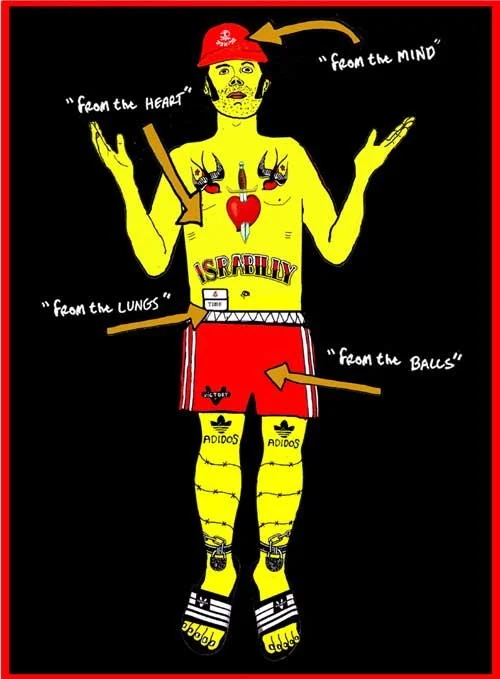
An essay exploring the intersections of football, Jewish tradition, popular culture, street language and messianic imagination in the work of Israeli artist Ido Shami.
Erev Rav, 2011
Thoughts on the documentary film The Myth of White Beauty: The Face (2010)
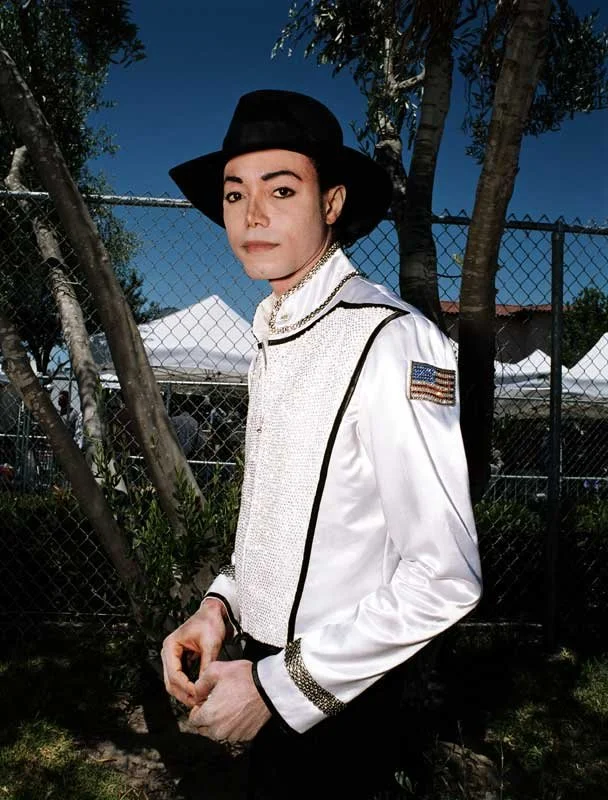
Naomi Harris
An essay examining race, beauty, identity and the politics of the body through the documentary The Myth of White Beauty: The Face.
Trauma in a Whirlpool of Reconciliation
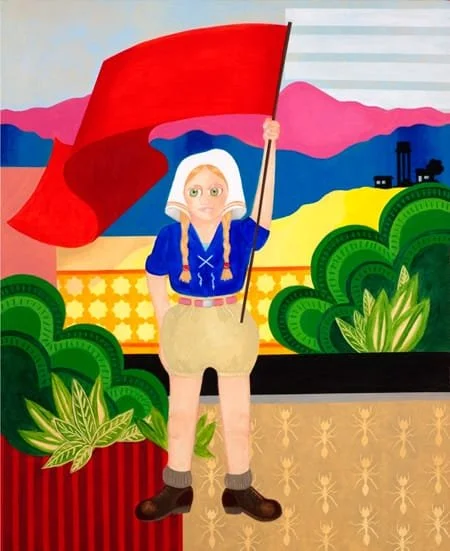
Eliahu Eric Bokobza
A critical essay on Eliahu Eric Bokobza’s exhibition In This Place, examining the tensions between trauma, Mizrahi identity, Jewish-Arab identity, queerness, Zionism and the collective memory of the kibbutz.
Erev Rav, 2012
Stone-Age: On Itamar Shamoni’s Stony 1.0
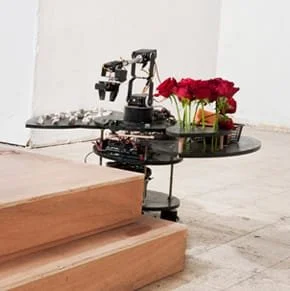
Stone-Age: On Itamar Shamoni’s Stony 1.0
A critical essay on Itamar Shamoni’s robotic installation Stony 1.0, exploring the relationship between technology, death, mourning, memory and the gallery as a space between life and death.
Erev Rav, 2012
Roee Rosen: “Confessions: Coming Soon”
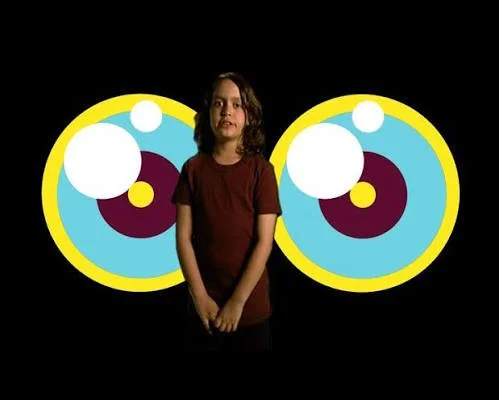
In this 2008 art-critical essay, Mati Shemoelof examines Roee Rosen’s Confessions: Coming Soon (2007), a video work presented at Rosenfeld Gallery alongside paintings from 2004–2005. The essay explores the tension between cinema and the gallery, the relationship between father and son, political and theological power, memory and futurity, and the space between an anticipated future and an unresolved past.
Yoram Blumnkranz: The Jewish Sector
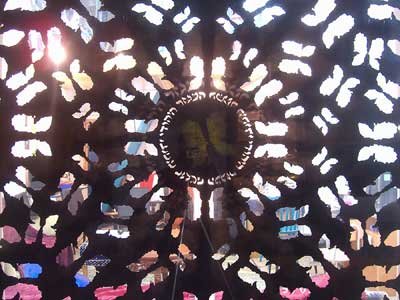
An essay on Yoram Blumnkranz’s work The Jewish Sector, examining the relationships between art, political identity, Mizrahi identity, Palestinian memory, segregation, religion and the Israeli-Palestinian political landscape. The essay explores how the artwork uses symmetry, paper cutting and Jewish symbolism to imagine alternative forms of equality and coexistence.
Originally published in Hakivun Mizrah, Issue 14, “We Shout Your Name in Many Languages: On Hybrid Identity in Israel” (2007).
Interpretation, Curating and a Conflictual Consciousness
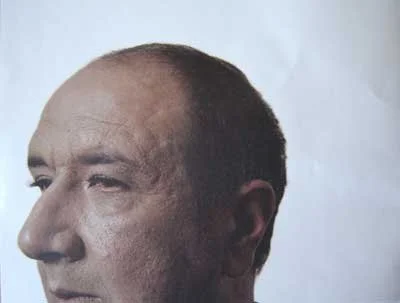
Photo -Dafna Zilang דפנה צילנג
An essay by Mati Shemoelof on art interpretation, curating, photography and the politics of representation in the Israeli art field.
Ma'arav Magazine.
“I Don’t Want to Import External Art”: Ahmad Kana’an on Art and Curating
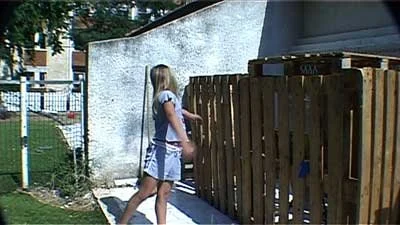
Philip Blaish and Yael Shavit
An interview by Mati Shemoelof with artist Ahmad Kana’an about art, curating, galleries, community and the development of an Arab art scene in Israel.
Ma'arav Magazine.
At the Margins and Centre of the White Wall: Eli Petel, Mizrahi Art and Museums
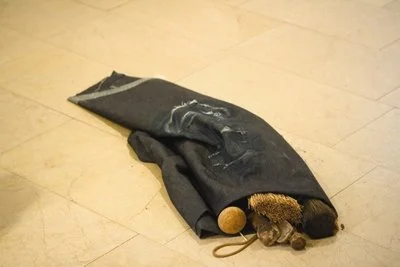
Detail from the installation by artist Eli Patel. All photographs: Refram Hadad
Mati Shemoelof writes on Eli Petel, Mizrahi art, museums, memory and power in the Israeli art world.
Ma'arav Magazine.
Art, Memory and Diaspora
My writing on art is closely connected to my wider literary and cultural practice. I often approach contemporary art through questions of migration, memory, Jewish and Arab histories, diaspora and the politics of representation.
Working across Hebrew, English and German cultural contexts, I write about artists and artistic practices that challenge fixed ideas of identity and belonging. My work combines literary writing with historical and cultural research, and often develops through conversations with artists, exhibitions, archives and cultural institutions.
Selected Publications
My art writing has appeared in:
Museum exhibition catalogues
Literary and cultural publications in Israel and Germany
For further writing on literature, culture, politics and society, see Articles & Essays.