Merkel’s shaking sends a shiver through Germany’s Jews
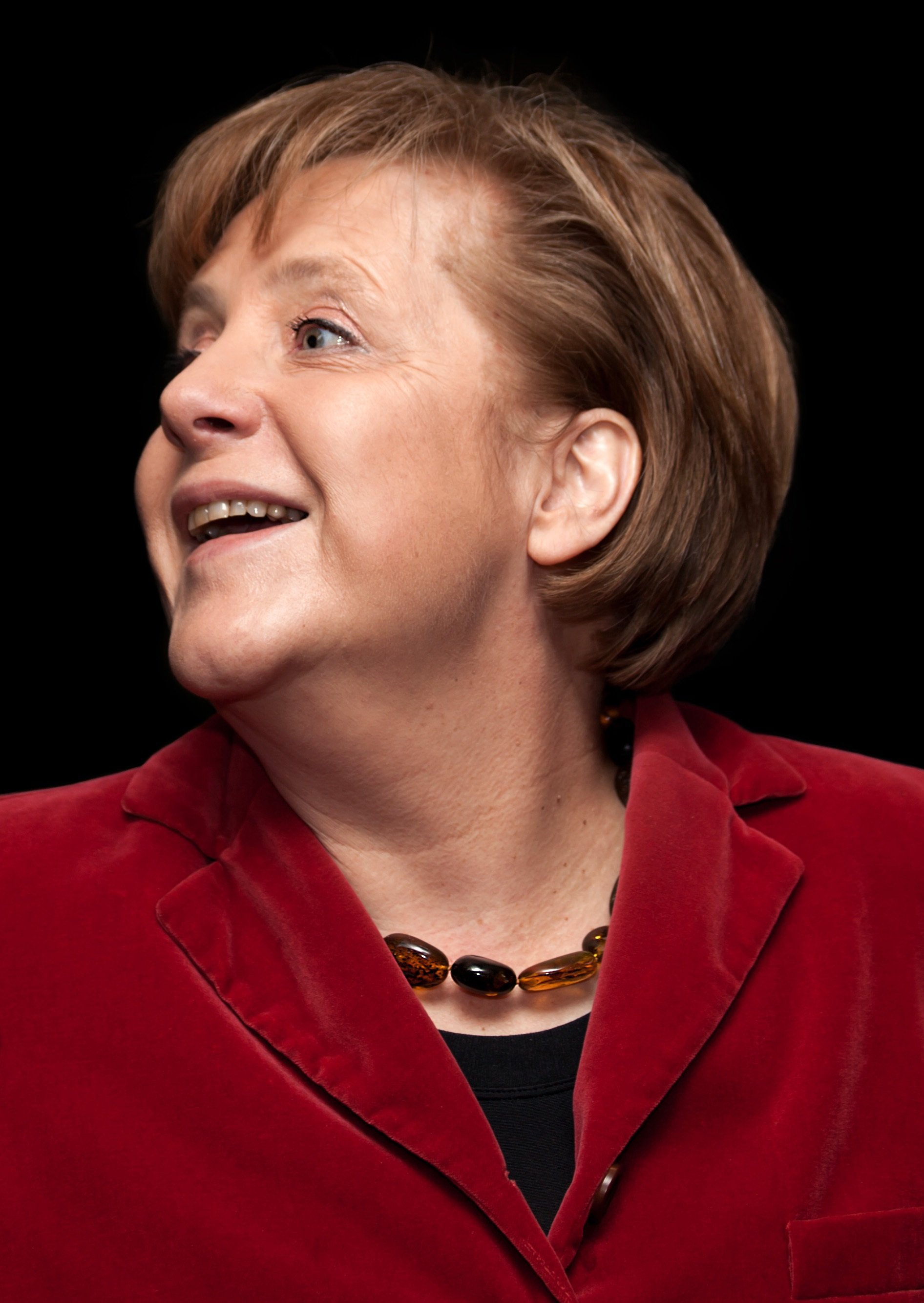
Credit - Pixabay
In this 2019 essay, Mati Shemoelof reflects on Angela Merkel’s political leadership and the changing political climate in Germany. Writing as a Jewish and Israeli writer living in Berlin, he considers the rise of the AfD, debates over refugees and immigration, antisemitism, far-right extremism and the murder of CDU politician Walter Lübcke.
The essay connects these developments with Shemoelof’s personal experience of Jewish life in Germany and his concerns about the political future after Merkel. It explores the relationship between German politics, antisemitism and the sense of security of Jews and other minorities.
LAST THURSDAY, AND FOR the second time in 10 days, German Chancellor Angela Merkel was seen shaking at a public event and struggling to maintain control of her body as her limbs trembled visibly. Her spokesman insisted she was well. Local news outlets reported both episodes and there was plenty of speculation about Merkel’s health.
Merkel is widely seen as the most important leader in Europe and one of the most powerful politicians in the world. Part of her immense power is that she managed to keep the strings in her hands, and all opposition has failed to replace her. Under her time in office Germany has prospered.
But now she is struggling to maintain control over her own body. And I cannot help but think she is shaking from the changes in German politics. As a Jew and Israeli in Germany I also start shaking when I ask myself what Germany will become after she is gone.
Merkel is the head of the CDU party (Christian Democratic Union), a conservative party. However, she has been consistently inconsistent in term ofpoliticalideology. Her move in 2015 to bring to Germany more than one million refugees changed the country’s political map. In a cruel consequence, the AFD, a far-Right party, became a major political player. So far, Merkel and the CDU have promised not to form any coalition with the AFD. Why would they?
But when the CDU didn’t get enough votes in Penzlin, a little town in North Germany, local CDU politicians changed their minds. In a surprise move that could be seen as the beginning of a slippery slope , the CDU went into coalition with the AFD in Penzlin, giving it control of the education and other committees.
Now, two CDU MPs in the state of Saxony-Anhalt said they would consider cooperating with the AFD because it has liberal elements. Yeah, right.
The CDU has now said there would be serious consequences for any of its members who cooperated with the AFD. Still, it is a scary possibility that has shaken up German politics.
But what shakes most people in Germany are the neo-Nazis and the Assassination last month of CDU politician WalterLübcke, who supported Merkel’s policies on refugees. And two pro-immigration mayors received death threats. One is the mayor of Cologne, Henriette Reker, who survived a serious knife attack in 2015. She received a death threat just days after the murder of Lübcke, police say.
It’s possible Merkel also received death threats. Maybe her shakes are connected to the assassination ofLübcke.And guess which politician didn’t stand for the one-minute silence to mark the death ofLübcke?It was the AFD’s Ralph Müller.
Nobody can predict the result of the next German election. But we already know that the number of anti-Semitic acts of violence rose sharply last year alongside a further increase in those identified as far-Right extremists. In its annual report released last week, Germany’s domestic intelligence agency, BfV, said the number of anti-Semitic acts of violence rose by 71.4 per cent in 2018, from 21 to 48.
Merkel took responsibility for that rise and said that anti-Semitism continued to be a problem in Germany more than seven decades after the Holocaust. “We have always had a certain amount of anti-Semites among us,” she said. “Unfortunately, over the years we have not been able to deal with this satisfactorily ... but we have to face up indeed to the spectres of the past.”
What about the previous 10 years of her leadership during which anti-Semitism and racism grew rapidly? There is also the problem of anti-Semitism from Muslims but according to criminal statistics, the main problem is still with right-wing anti-Semitism.
Germany is shaking more than Merkel. Anti-Semitism, anti-immigration, the assassination of politicians… we know that when a country falls into instability the government blames and attacks its minorities. The political leadership that follows Merkel will have to decide if remains silent on the far Right and anti-Semitism.
We already see that the first to pay the price are the minorities in general and Jews in particular. So when Merkel shakes, I - as a Jew living in Berlin – also shake.
Internal links
Publication note
Originally published on 8 July 2019. Last updated 4 March 2024.
Categories
Tags / Keywords
Angela Merkel, Merkel, Germany, German politics, antisemitism, anti-Semitism, German Jews, Jews in Germany, Berlin, AfD, far right, Jewish identity, refugees, Walter Lübcke, CDU, Germany 2019, Mati Shemoelof