Essays, Articles and Cultural Writing
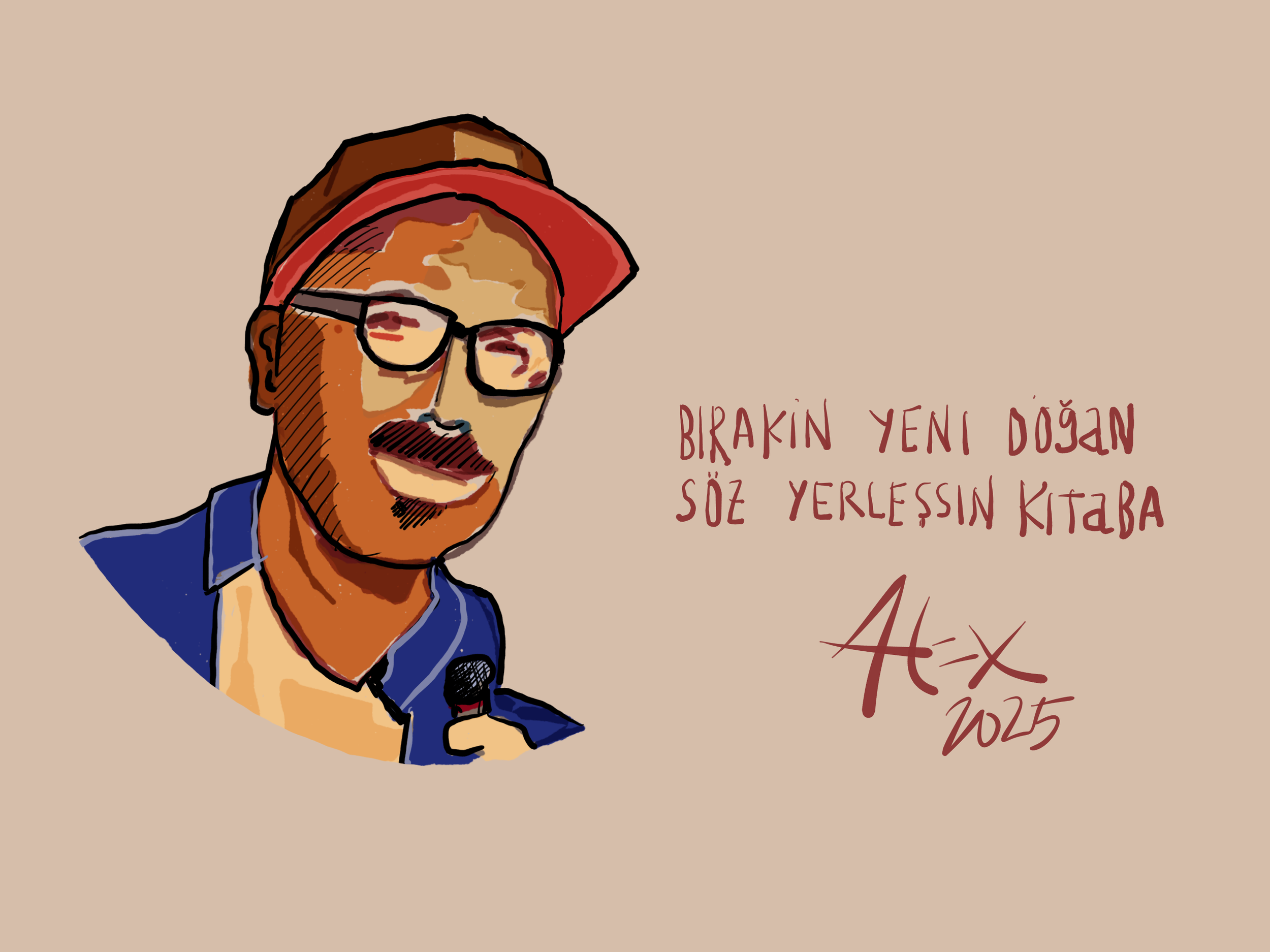
Mati Shemoelof writes essays, articles, cultural criticism and texts on literature, art, migration, Jewish and Arab-Jewish identity, Israeli society and life in Germany.
His cultural writing moves between personal experience and political reflection. It brings together literature, poetry, journalism and cultural criticism, often from the perspective of a writer living between Israel, Germany and the wider Middle East.
Essays and political writing
Shemoelof's essays examine questions of identity, migration, Jewish and Arab-Jewish history, Israeli society and European culture.
His writing often begins with a personal experience and expands into broader questions about history, language, class, memory and belonging.
Among his German publications are … reißt die Mauern ein zwischen „uns“ und „ihnen“ and Bleiben oder widerstehen, both published by AphorismA Verlag.
His 2026 collection Fünfzehn Narben – Jüdisch-arabische Texte zu Politik und Poesie brings together essays and articles published in German and other European contexts, including texts from Weltbühne, Berliner Zeitung, Der Freitag, Information.dk and the catalogue of the Jewish Museum Hohenems.
Literature and poetry
Shemoelof's cultural writing is closely connected to his poetry. His essays often ask how poetry can respond to political reality, migration and historical memory. At the same time, his fiction and poetry explore subjects that cannot always be expressed through conventional political language. His literary work includes poetry, short stories, essays and longer prose. The reception of Remnants of the Cursed Book and Other Stories emphasized the connection between his poetry and fiction, while also noting the collection's movement between Israeli and Berlin settings and its use of hybrid forms.
Arab-Jewish and Mizrahi writing
A central part of Shemoelof's cultural writing concerns Mizrahi and Arab-Jewish identity. His essays examine the history of Jews from the Middle East and North Africa, the development of Mizrahi identity in Israel, and the experience of Arab-Jewish identity in the diaspora. These questions are connected to language and cultural memory. The history of Arab-Jewish communities cannot be reduced to a single national narrative. Shemoelof's writing explores what happens when this history is carried from Israel to Germany and encountered within European Jewish and Arab diasporic contexts.
Migration and Berlin
Migration is one of the recurring subjects of Shemoelof's writing. His work examines what happens when an Israeli writer moves to Berlin: how language changes, how privilege and class travel across borders, and how national identities are transformed by life in the diaspora. Berlin also appears as a space for cultural encounters. Projects such as the Poetic Hafla and other multilingual cultural initiatives have allowed Shemoelof to explore the relationship between Hebrew, Arabic, German and other languages and cultures.
Cultural writing and artists
Shemoelof also writes cultural and catalogue texts connected to artists, exhibitions and cultural projects. His work in this field brings literary language into conversation with visual art and cultural history. The texts often consider questions of memory, identity, migration and political imagination through the work of individual artists and exhibitions. This practice is part of his wider work as a writer, editor, curator and cultural organizer.
Selected essays and articles
Questions of an Arab-Jewish Diaspora
An essay on Arab-Jewish identity, Mizrahi history, migration, language, memory and diaspora, written from the perspective of a Jewish writer living in Berlin.
A Mizrahi in Berlin
A reflection on Mizrahi identity in Berlin, the migration of Israelis to Germany, class and cultural privilege, and the creation of the Poetic Hafla.
Writing from the diaspora
Across his essays, Shemoelof returns to the question of what happens when a writer moves between countries and languages.
The diaspora becomes both a geographical condition and a literary position: a place from which inherited histories can be examined, questioned and rewritten.
Cultural journalism
Shemoelof's journalism and cultural writing has appeared in German, Israeli and international publications. His work includes essays on literature and poetry, political articles, cultural criticism, artist-related writing and reflections on migration and Jewish-Arab history.
His writing continues to move between literature and public discourse.